Gluten-Free Kyoto: What We Actually Ate (Honest Reviews)
There were so many good gluten-free options in Kyoto that we ended up trying more places than we'd planned, from gluten-free okonomiyaki and ramen to soufflé pancakes and crepes.
Like the rest of our trip, it worked because we planned. Before we left, we researched gluten-free restaurants and matched them to each day's sights, so we always knew where we could eat, whether we were in Arashiyama, Gion, or downtown.
This post covers what we learned: the Kyoto foods with hidden gluten to watch for, a note on Nishiki Market, and an honest review of every gluten-free place we ate.
If you're still planning your time in Kyoto, start with Is Kyoto Good for Kids? Our Honest Take. And if you're heading to Tokyo too, here's Gluten-Free Tokyo: What We Actually Ate (Honest Reviews).
Who's Gluten-Free in Our Family
Matt and I both eat gluten-free. Matt has been gluten intolerant for more than 15 years, and I went gluten-free about 10 years ago for health reasons. Matt also avoids eggs. Jackson isn't gluten-free at all.
Important: We're not celiac, and we're not doctors. Everything in this post reflects what worked for a gluten-intolerant family, not celiac-level or severe-allergy safety. If you have celiac disease or a serious wheat allergy, use celiac-specific resources and always confirm ingredients and cross-contact practices directly with each restaurant.
The Quick Verdict: Is Gluten-Free Kyoto Easy?
Yes, with planning. The options are great, but they’re spread out. Matching restaurants to where you'll already be makes a huge difference, especially with a hungry kid.
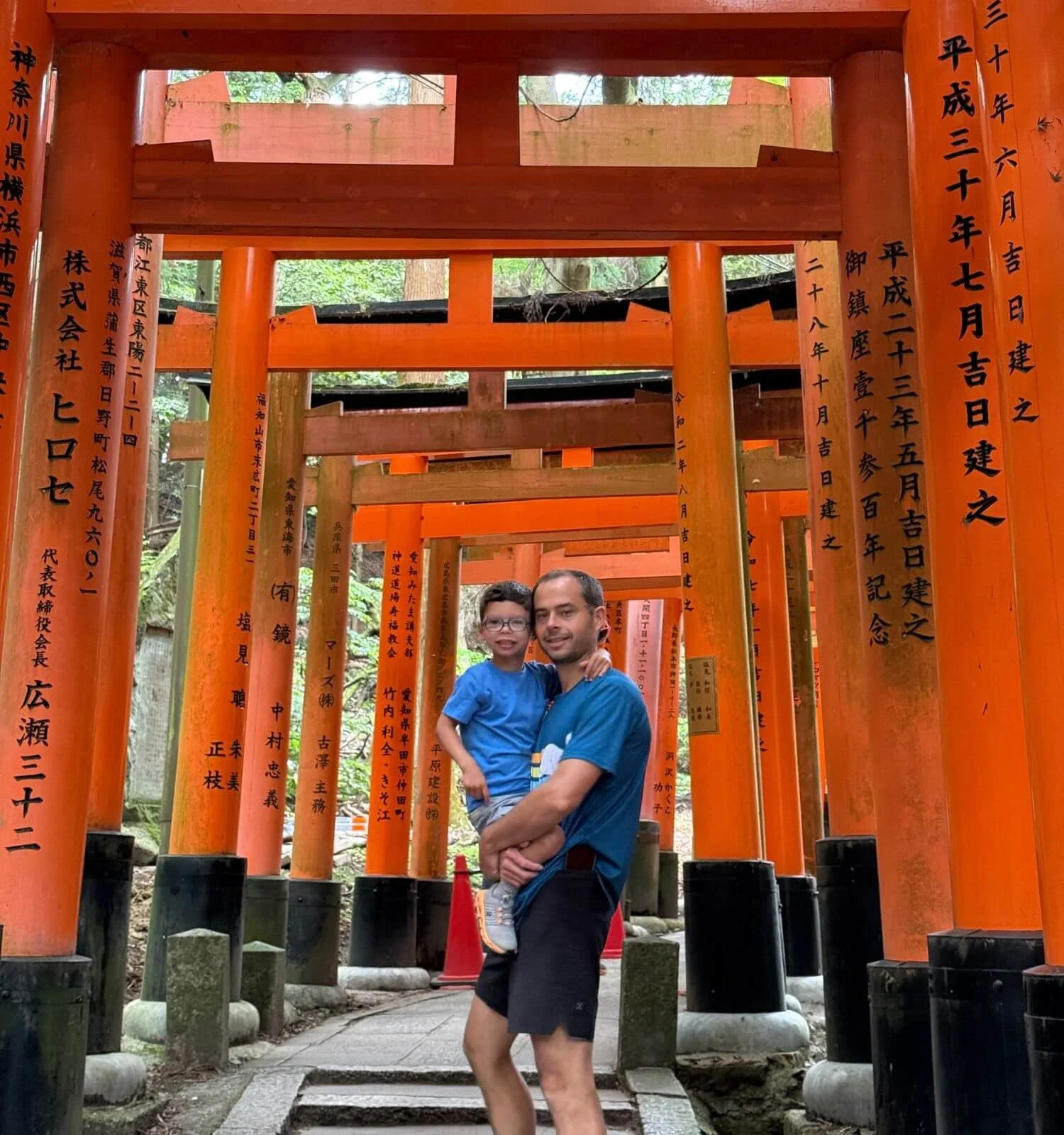
Kyoto: so beautiful and so yummy!
Kyoto Foods With Hidden Gluten
Kyoto is known for traditional food that looks naturally gluten-free, but wheat and soy sauce show up in a lot of it. A few to watch for, on top of the usual soy sauce, tempura, and ramen:
Okonomiyaki: the savory pancake batter is normally made with wheat flour. (We did find a fully gluten-free version, below.)
Soba: buckwheat noodles are often blended with wheat flour unless they're 100% buckwheat.
Temple food (shojin ryori) and kaiseki: vegetarian and traditional multi-course meals often use regular soy sauce for flavor, so "vegetarian" doesn't mean gluten-free.
Japanese sweets and snacks: some are made with rice flour, but many use wheat flour or soy sauce glazes. Check before you buy.
Sushi rice and mayo: sushi rice is seasoned with vinegar that isn't always gluten-free, and some Japanese mayonnaise contains wheat.
Read More: Gluten-Free Tokyo: What We Actually Ate (Honest Reviews)
How We Ordered
We used a dietary card that spells out exactly what we can and can't eat, and how careful the kitchen needs to be. You can make your own for free with our gluten-free dietary card builder. The card is in English, so if a server doesn't read English, a translation app can help them read it. It's a communication tool, not a guarantee, so always confirm with the restaurant.
Google Translate's camera feature was the other tool we used constantly, to read menus and check labels. Download Japanese for offline use before you go, and if something seems unclear, ask staff to confirm.
A Note on Nishiki Market
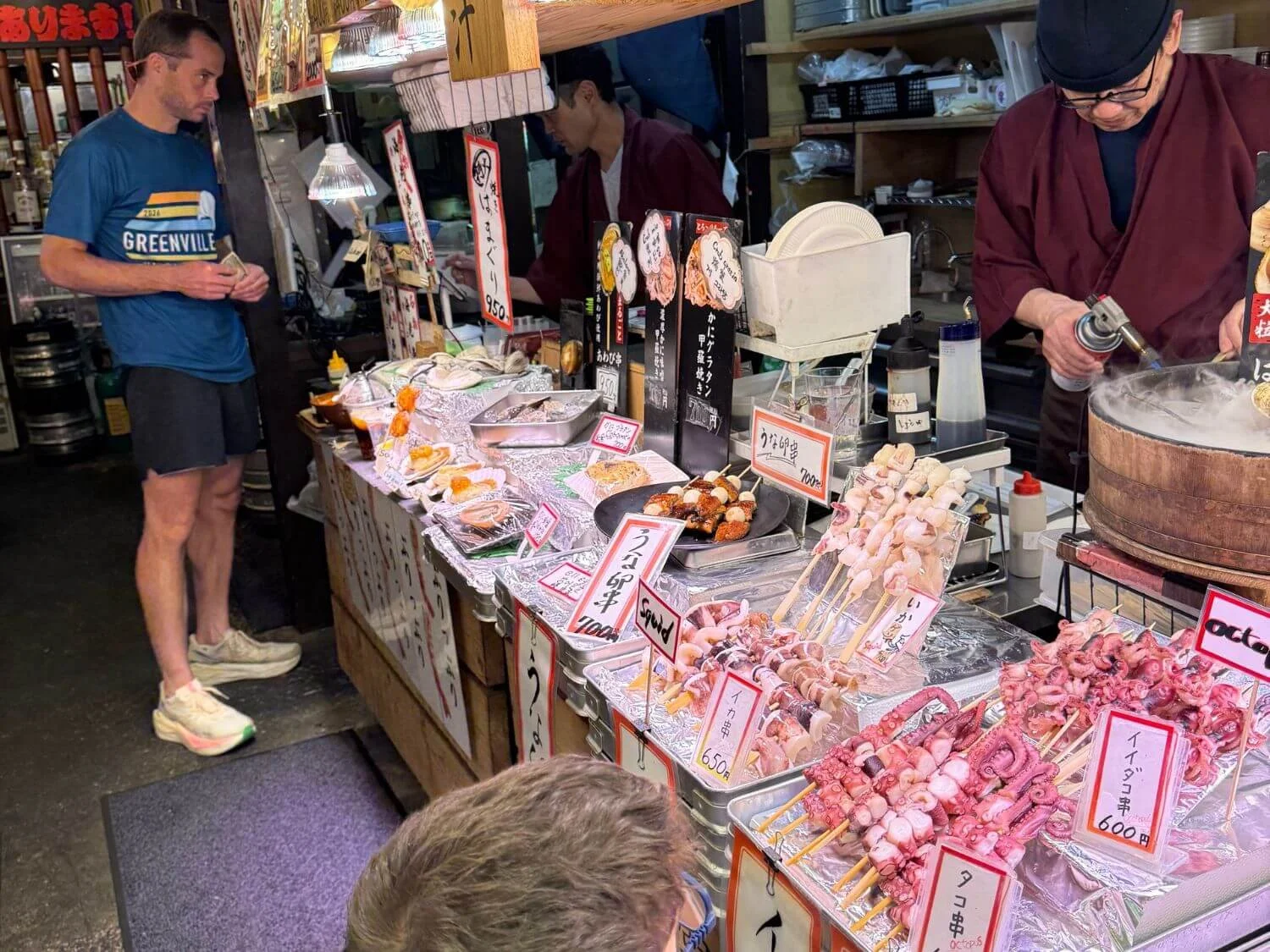
Nishiki Market is worth exploring, but it isn't a gluten-free food destination. Options vary by vendor, and many prepared foods use sauces or seasonings that may contain gluten. For grilled seafood, confirm ingredients directly with the vendor. Asking for only butter and salt, with no extra sauces, keeps things simpler. Most vendors start closing in the late afternoon, so go earlier in the day.
Every Place We Ate Gluten-Free in Kyoto
Here's every restaurant from our Kyoto days, in alphabetical order, with our honest take on each. We ate a lot here, so there's something for every meal and every sweet tooth.
Labels: "Dedicated GF" means the whole menu is gluten-free. "GF options" means the kitchen also cooks with gluten, so ask about cross-contact.
Want these planned for you? In the Gluten-Free Edition of our 14-day Japan guide, every one of these restaurants is matched to the attractions around it, day by day. For each stop, we tell you what the attraction is, how far the restaurant is and how long it takes to get there, whether you need a reservation, and the tips we wish we'd known. And if a restaurant is closed or full, there's a gluten-free backup nearby.
Ikkakuju Karasuma · Dedicated GF
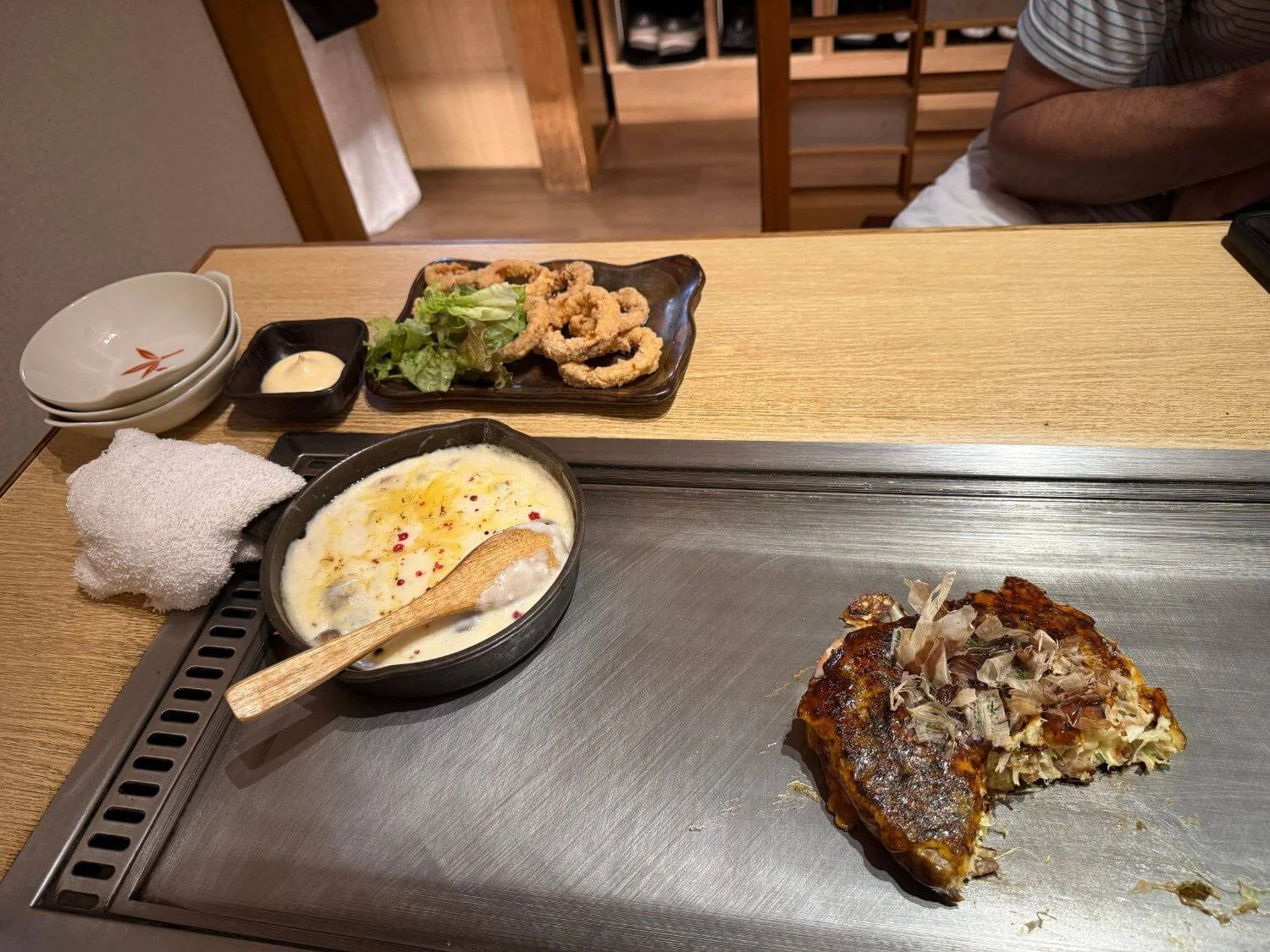
A fully gluten-free restaurant serving gluten-free versions of traditional Japanese dishes, including okonomiyaki. Since okonomiyaki is normally made with wheat flour, getting to try it at all was a treat.
What we ordered: gluten-free okonomiyaki, gluten-free fried calamari, and gluten-free mac and cheese.
The mac and cheese and calamari were delicious. The okonomiyaki just wasn't our favorite, through no fault of the restaurant. We tried another version later in the trip and felt the same way, so it turns out we just don't love this dish. We were still so happy to get to try such a traditional Japanese food in a gluten-free version.
This restaurant can be hard to find, so look for the white horse!
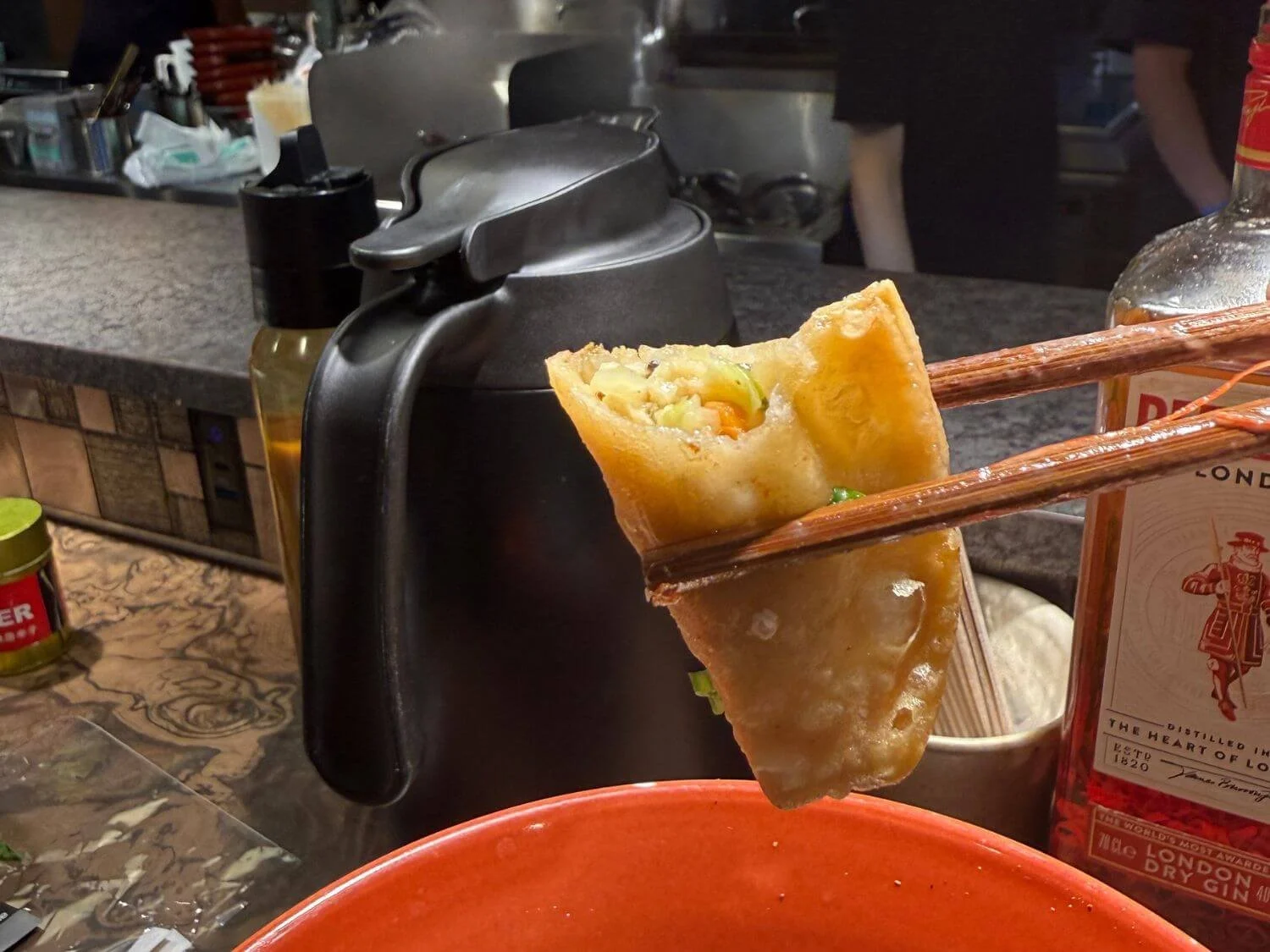
Kyoto Engine Ramen · GF options
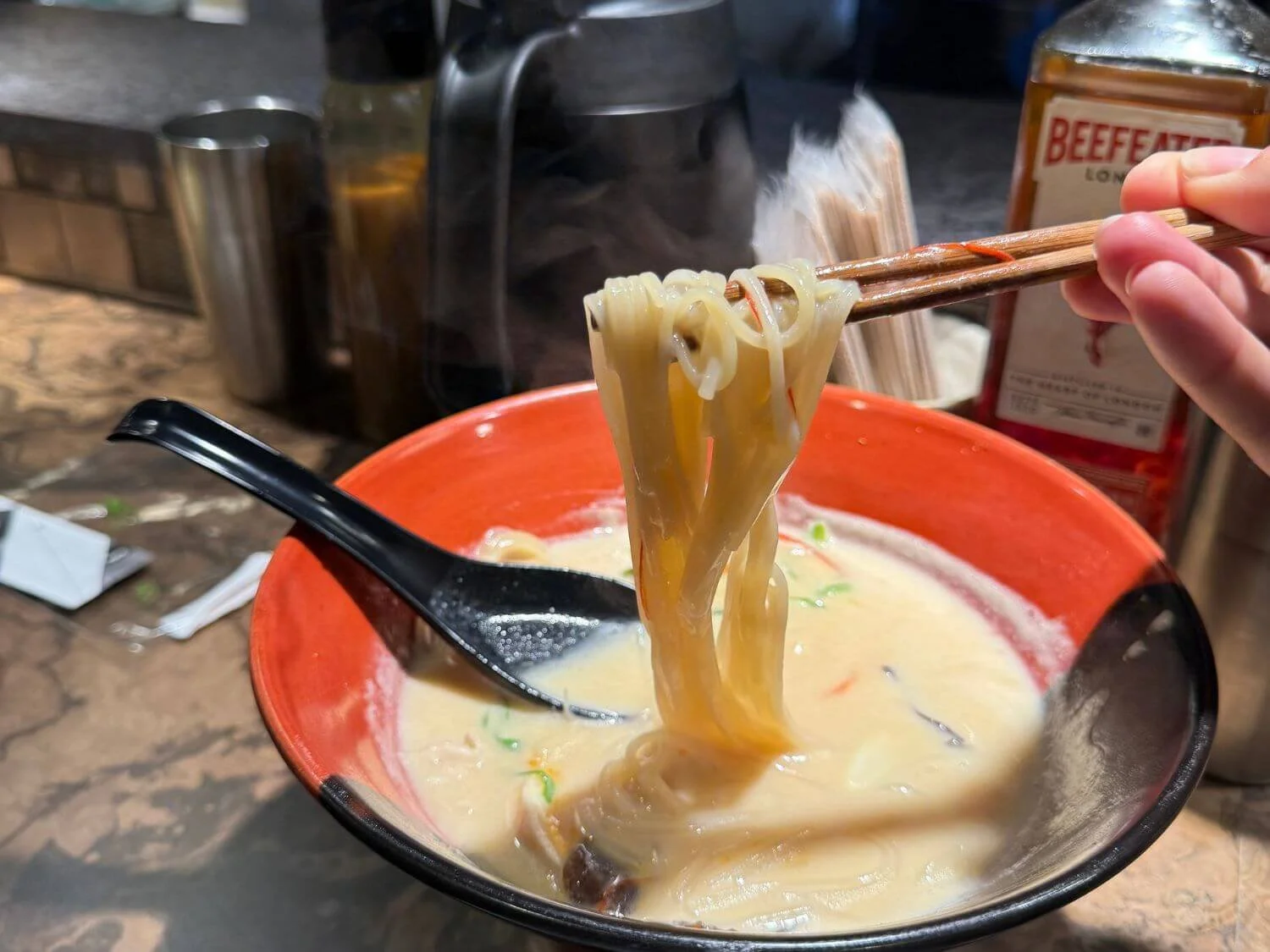
Gluten-free ramen alongside traditional ramen.
What we ordered: gluten-free ramen and gluten-free dumplings.
We sat at the bar and got to watch our ramen being made. The gluten-free noodles were cooked in a separate pot of water. We didn't see the dumplings being prepared, so if you're sensitive to cross-contact, ask your own questions here. The food was absolutely delicious. We loved it so much that we went back to their Osaka location later in the trip.
Loco Chicken · GF options
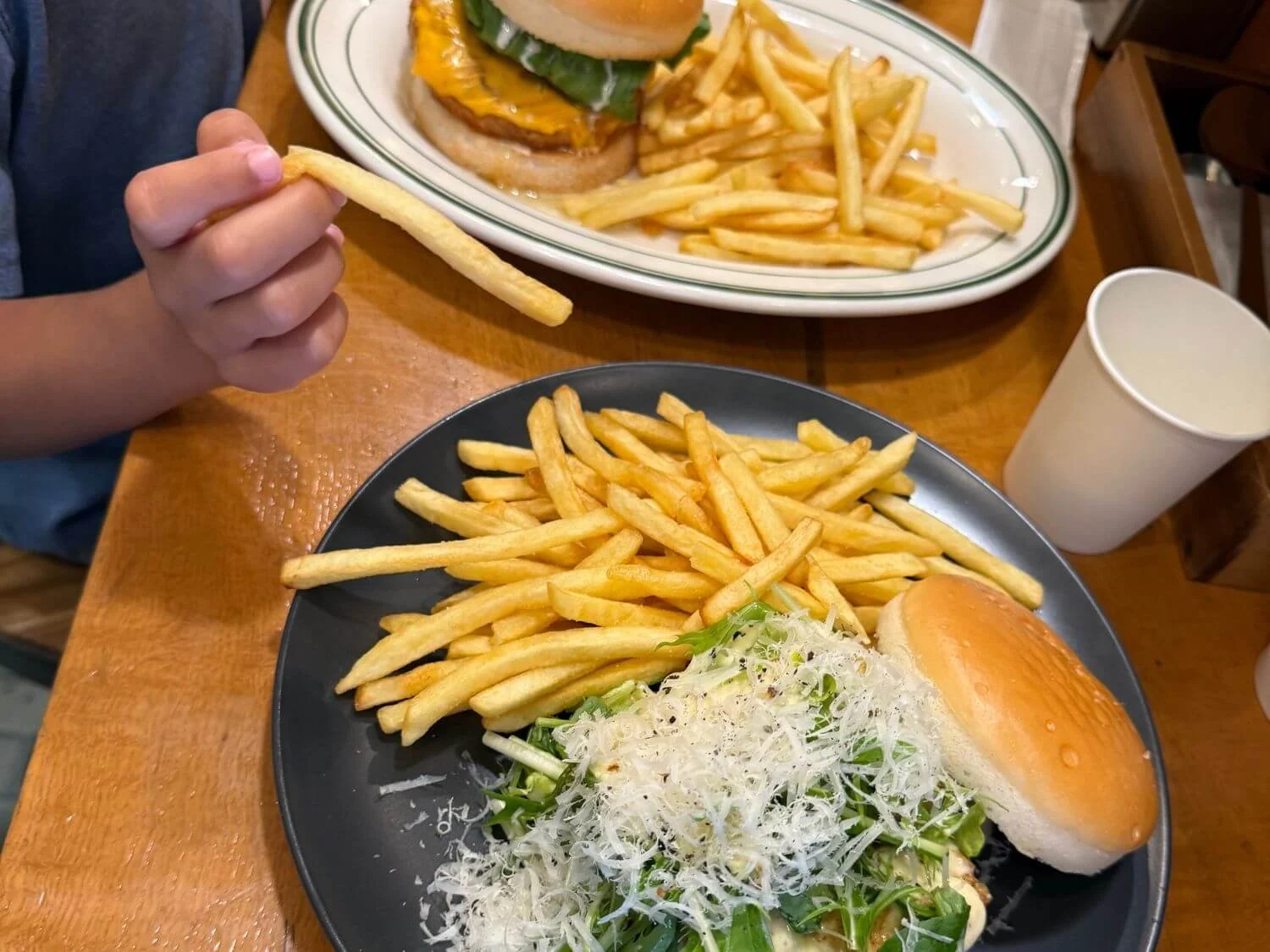
Rice-flour fried chicken served on burgers, tacos, rice plates, and fries. Casual, quick, and very kid-friendly.
What we ordered: chicken burgers and fries.
These sandwiches were so good. Seriously, it's worth a stop if you can fit it in. The restaurant is very small, but we got lucky and snagged three seats. They do offer takeout.
Moon and Back Ramen Bar · GF options
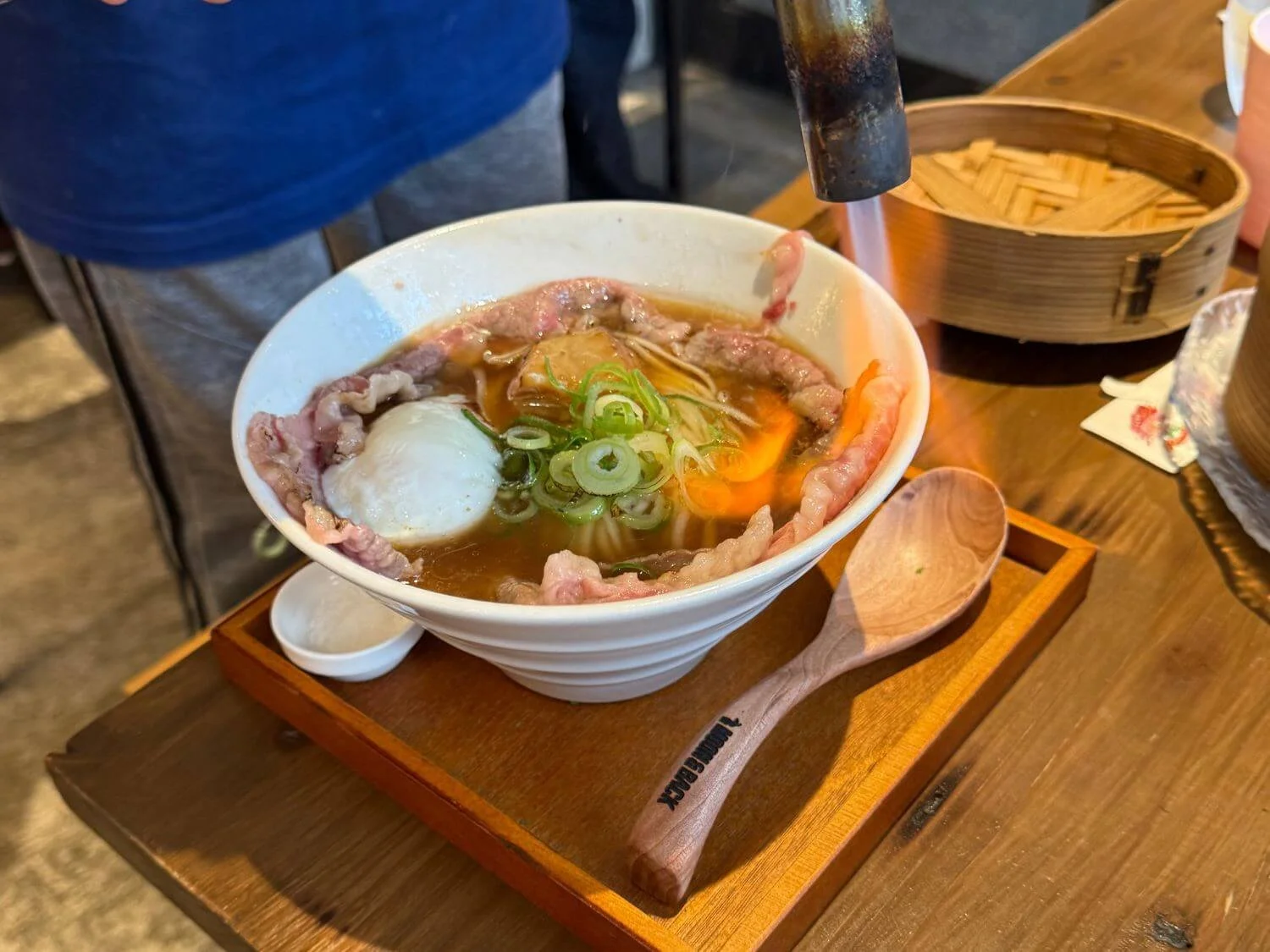
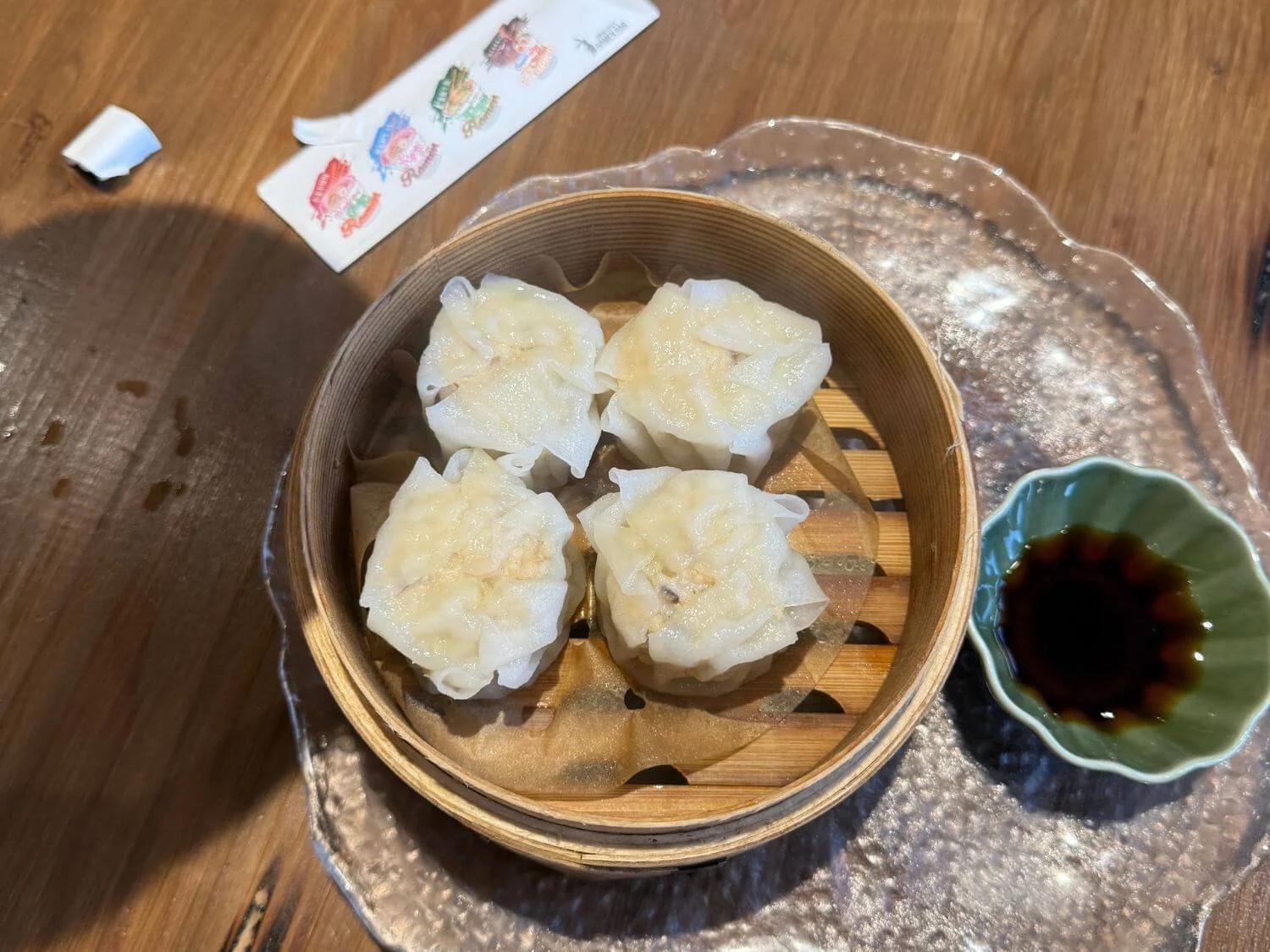
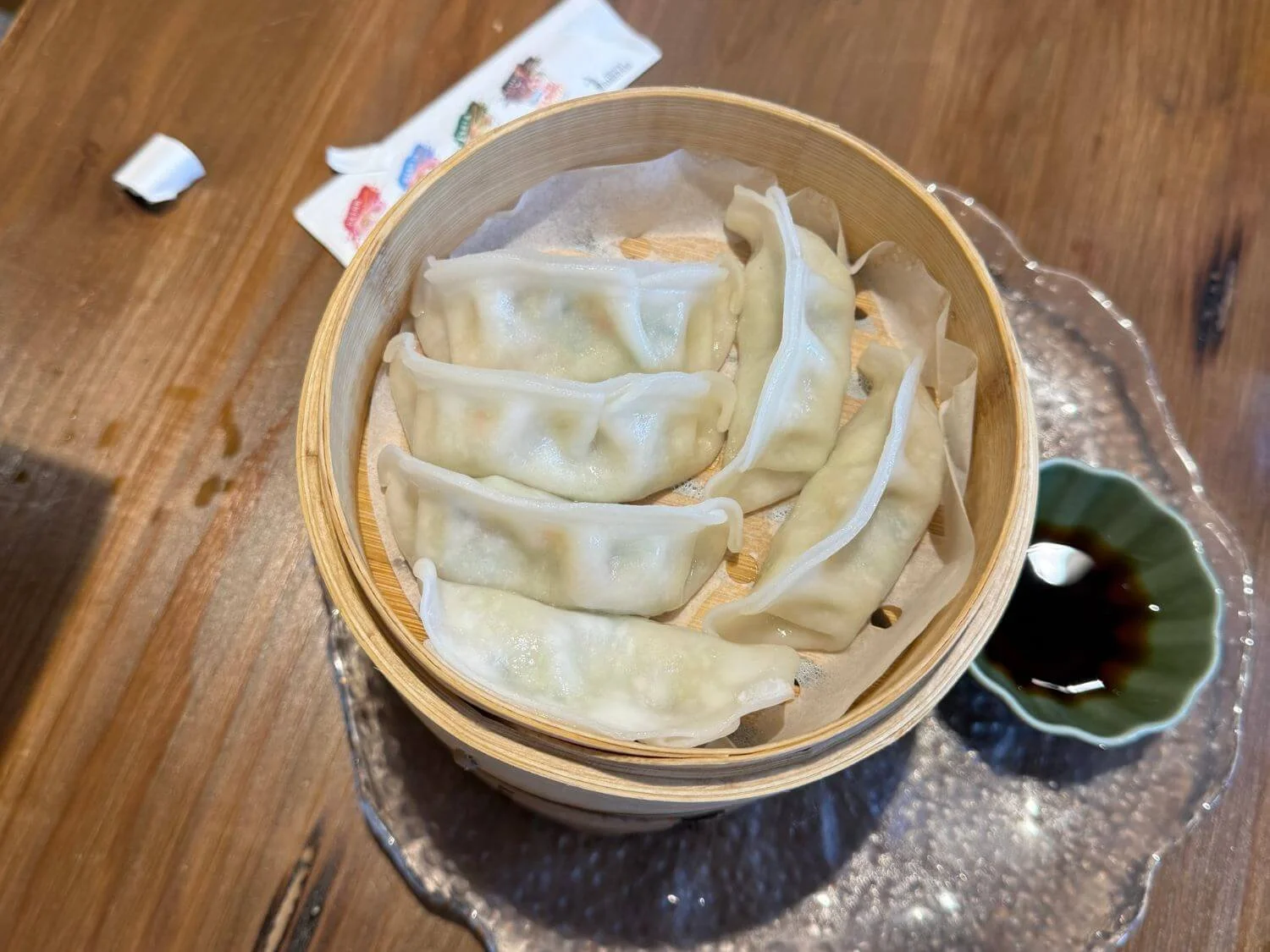
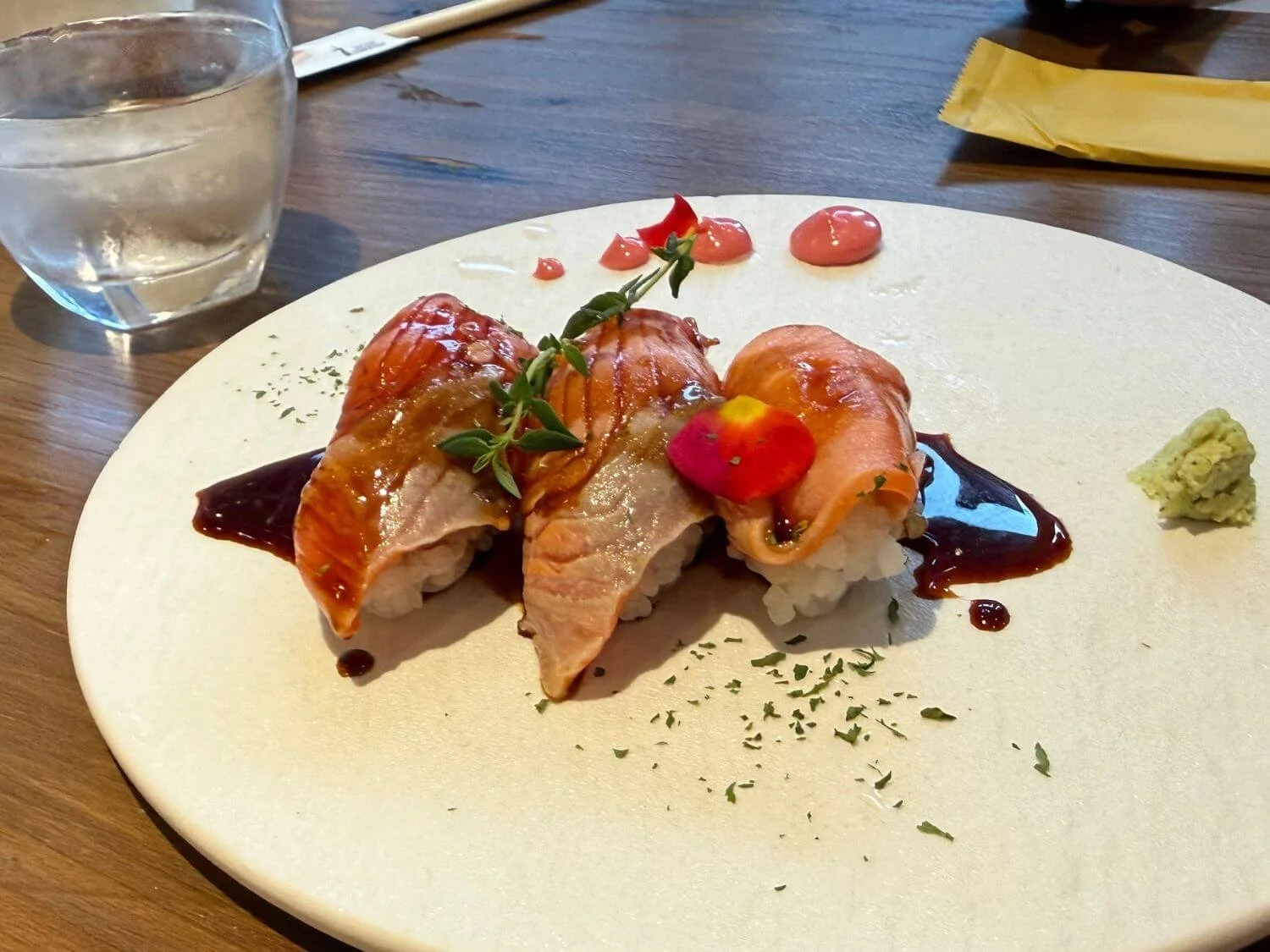
Gluten-free ramen plus other Japanese-inspired dishes, including dumplings, gyoza, and sushi. The kitchen isn't dedicated gluten-free, so confirm preparation and cross-contact practices when you order.
What we ordered: gluten-free ramen, dumplings, gyoza, sushi, and a brownie for dessert.
This was a surprise find. I ordered the Wagyu ramen, and they flame-grilled the meat right at the table. Dinner and a show? We'll take it. It wasn't our favorite meal of the trip, but it was still delicious and worth the visit.
Musubi Cafe · Dedicated GF
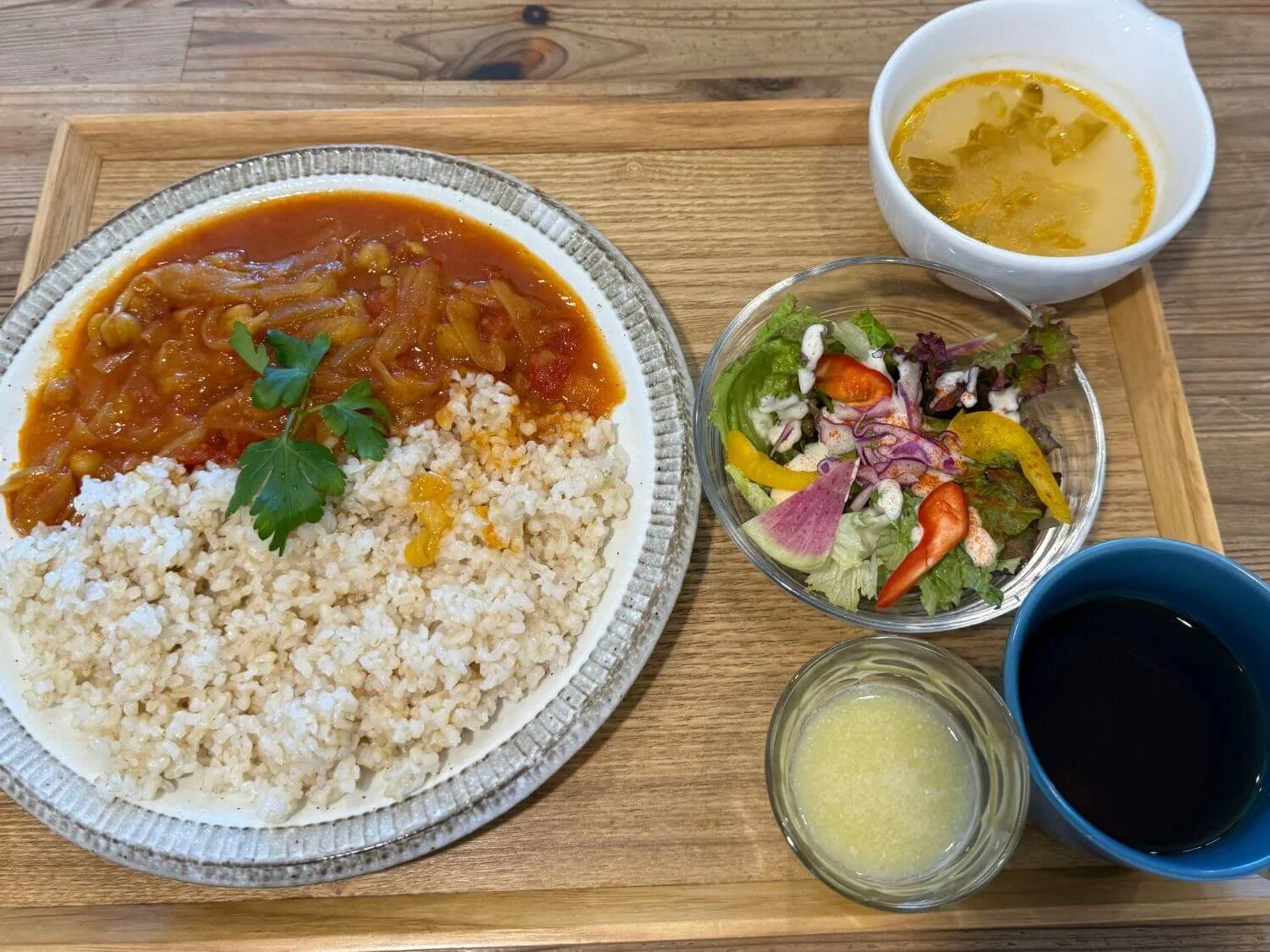
A dedicated gluten-free café with vegan-friendly, Japanese-inspired meals, desserts, and drinks. A relaxing stop in Arashiyama after a morning of walking.
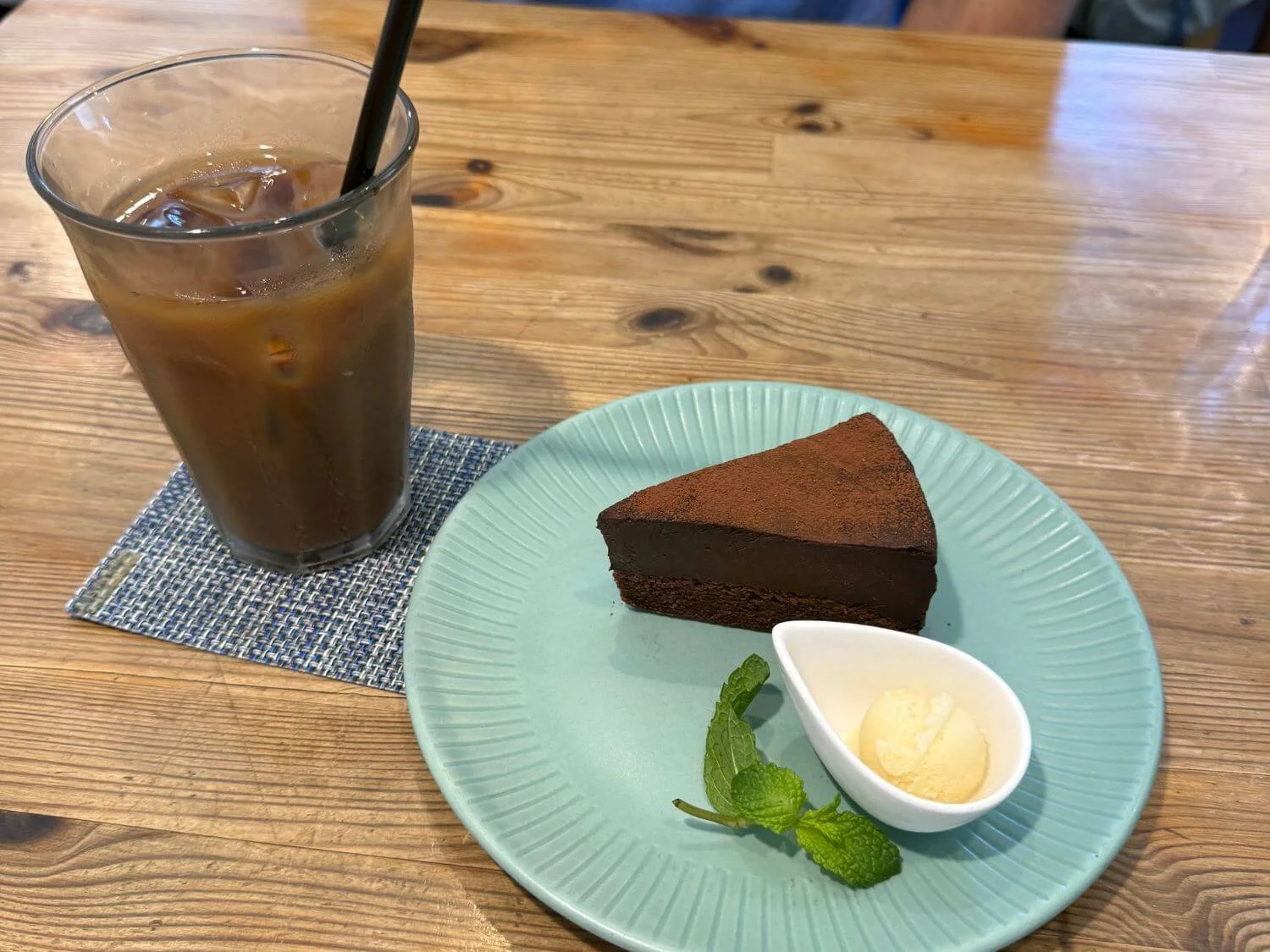
What we ordered: vegan curry lunch set with salad and miso soup, gluten-free chocolate ganache cake, and iced coffee.
The food here tasted healthy and felt healthy, too. We shared one set meal, which was light and held us over until a bigger lunch later. Yes, we ate a lot on this trip. We just couldn't help it. It was all so good!
Sugarhill Kyoto · GF options
Japanese-inspired dishes with gluten-free options. Reservations may be a good idea depending on the season and time.
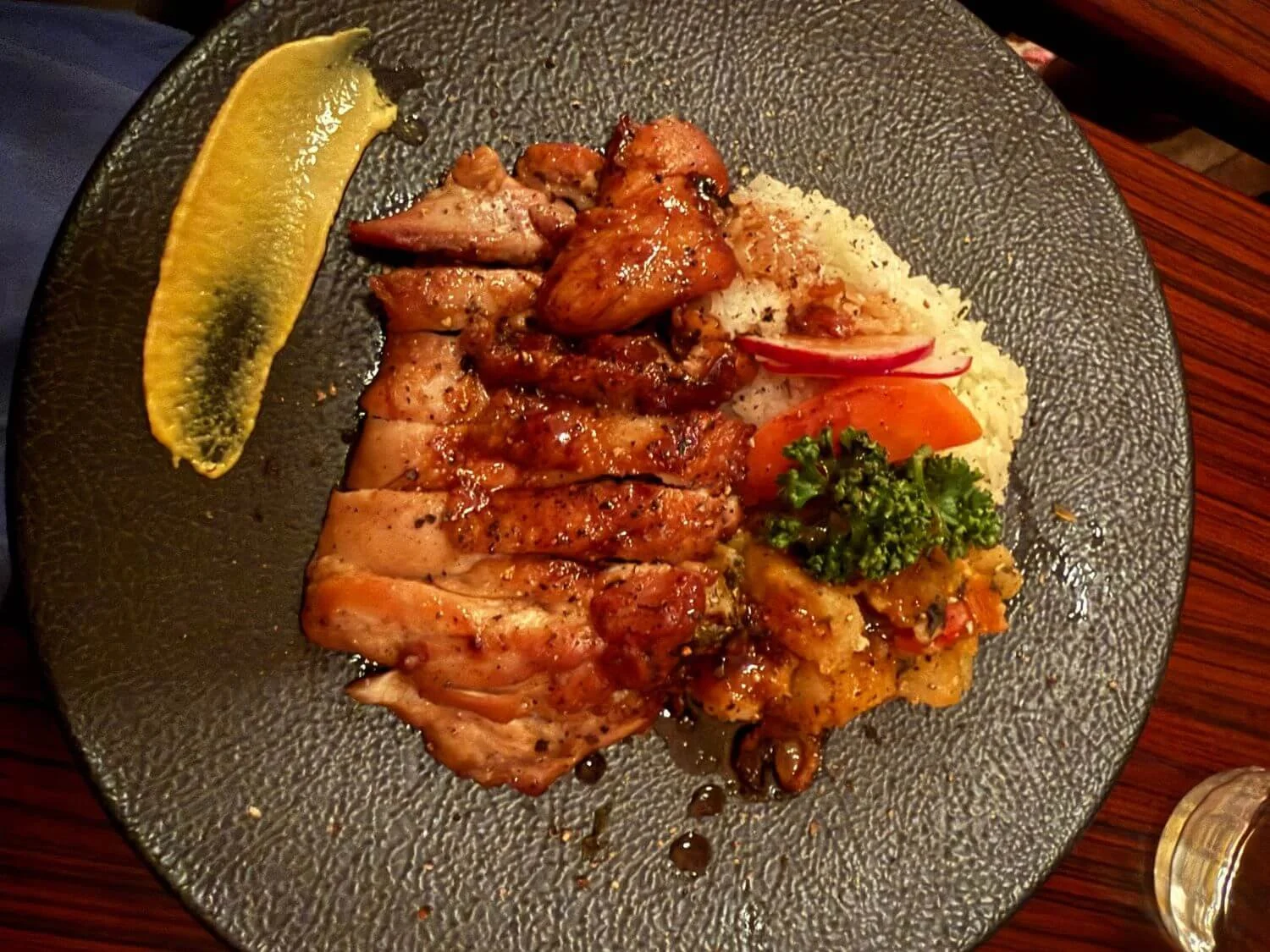
What we ordered: gluten-free chicken teriyaki.
The gluten-free options were limited, but the teriyaki was delicious, and we were happy to have such a good option.
Toshoan · Dedicated GF
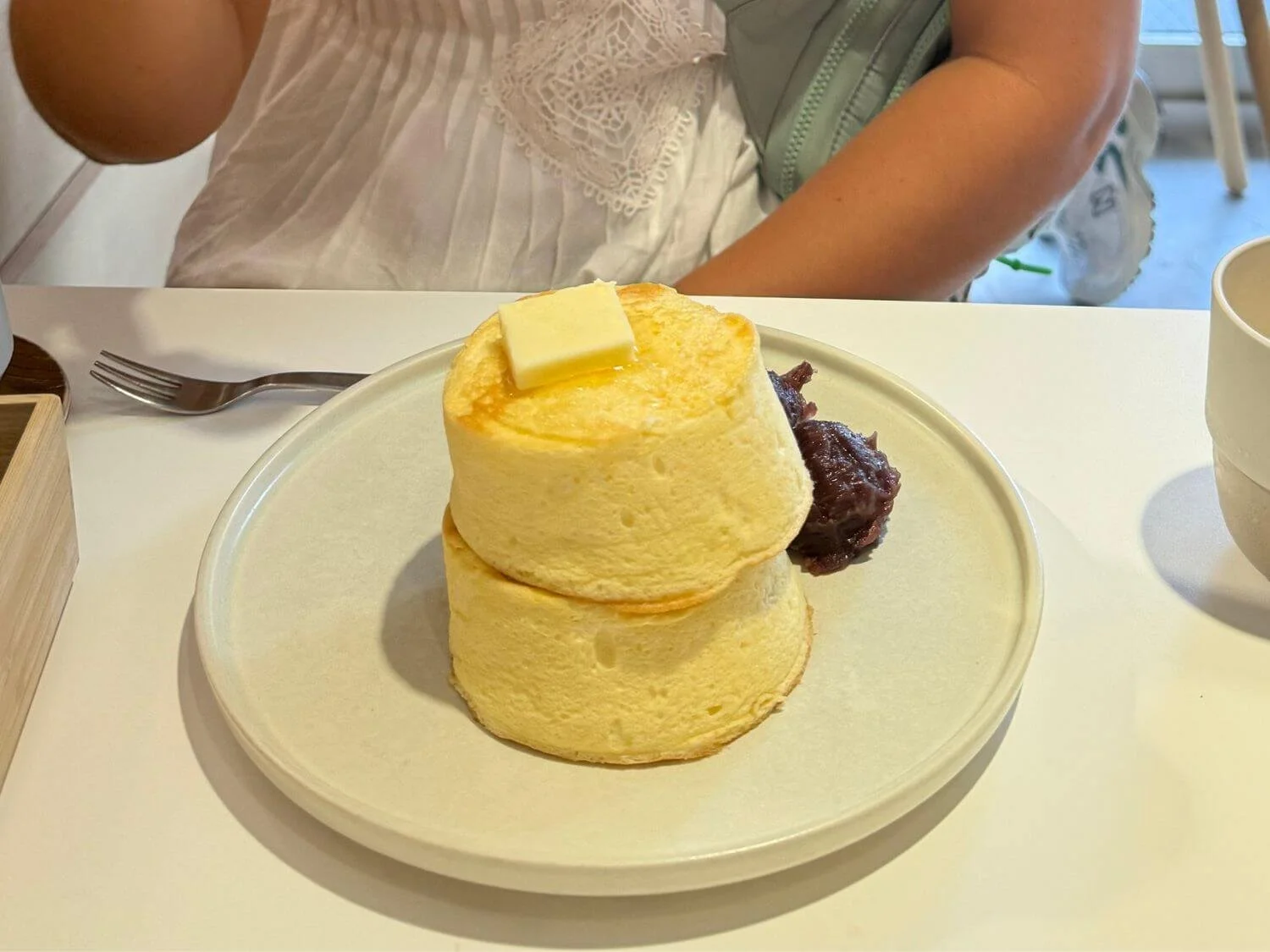
A completely gluten-free spot for Japanese-style desserts, including soufflé pancakes and shaved ice.
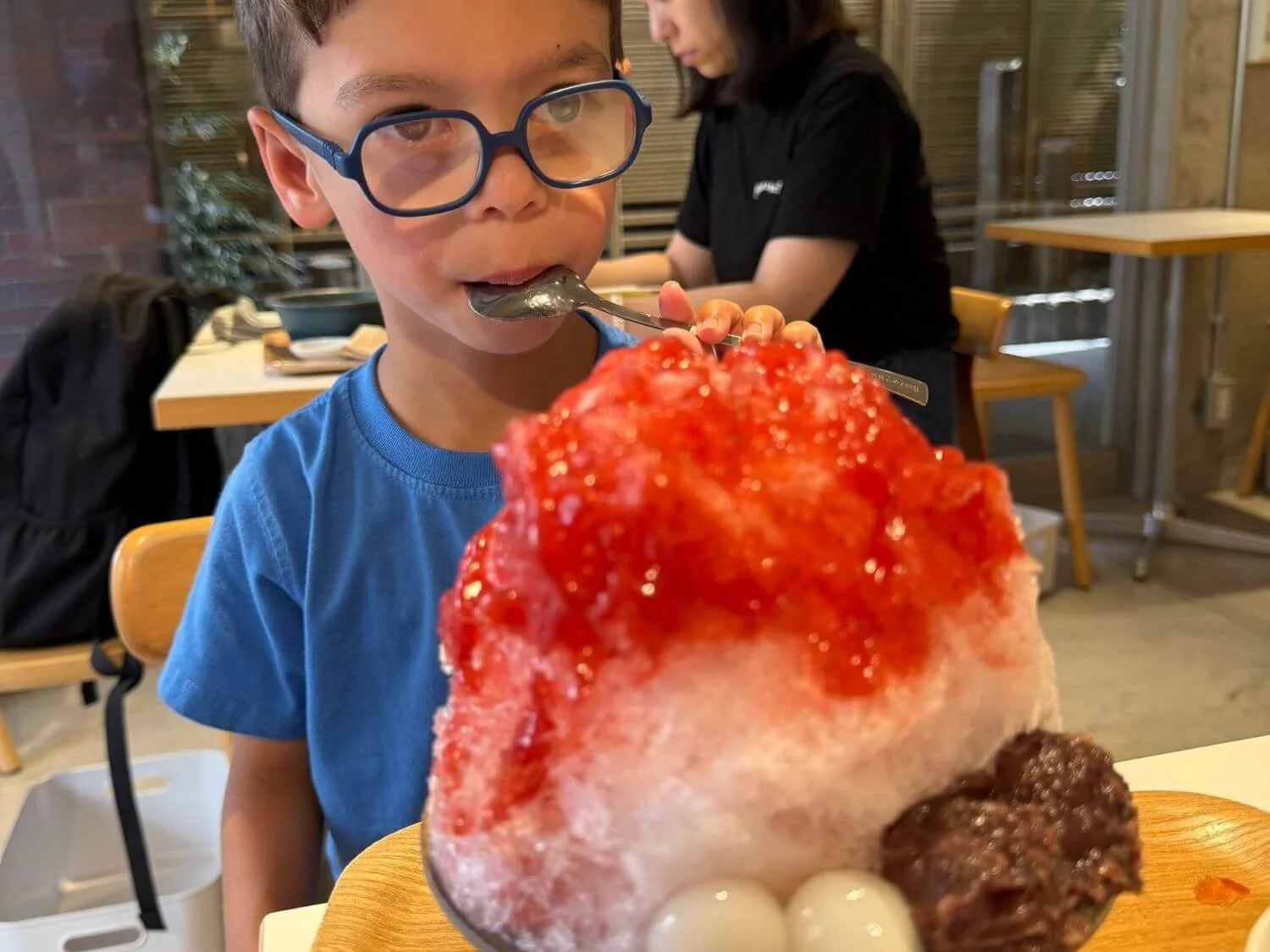
What we ordered: soufflé pancakes, and kakigori (Japanese shaved ice) with strawberry sauce and mochi.
These were my favorite pancakes of the whole trip. They were so fluffy! Jackson and Matt shared the kakigori, a traditional Japanese shaved ice dessert covered in strawberry sauce. It came with gluten-free mochi, which didn't have much flavor, but they had so much fun eating it. I think it was bigger than Jackson's head.
Waco Crepe · Dedicated GF
Gluten-free and vegan crepes with sweet fillings. A great treat to grab before an evening walk.
What we ordered: a gluten-free vegan crepe with banana and chocolate.
We still talk about these crepes. There were vegan options, so Matt was able to eat them, too! We tried our best to make a second trip but never found the time. Definitely go here. You won't be disappointed. The ice cream in their freezer was yummy too.

We'll be honest: this was more restaurants than anyone needs for a few days in Kyoto. There were so many good gluten-free options that we kept adding stops. Pick the ones that fit your plans.
What About Breakfast?
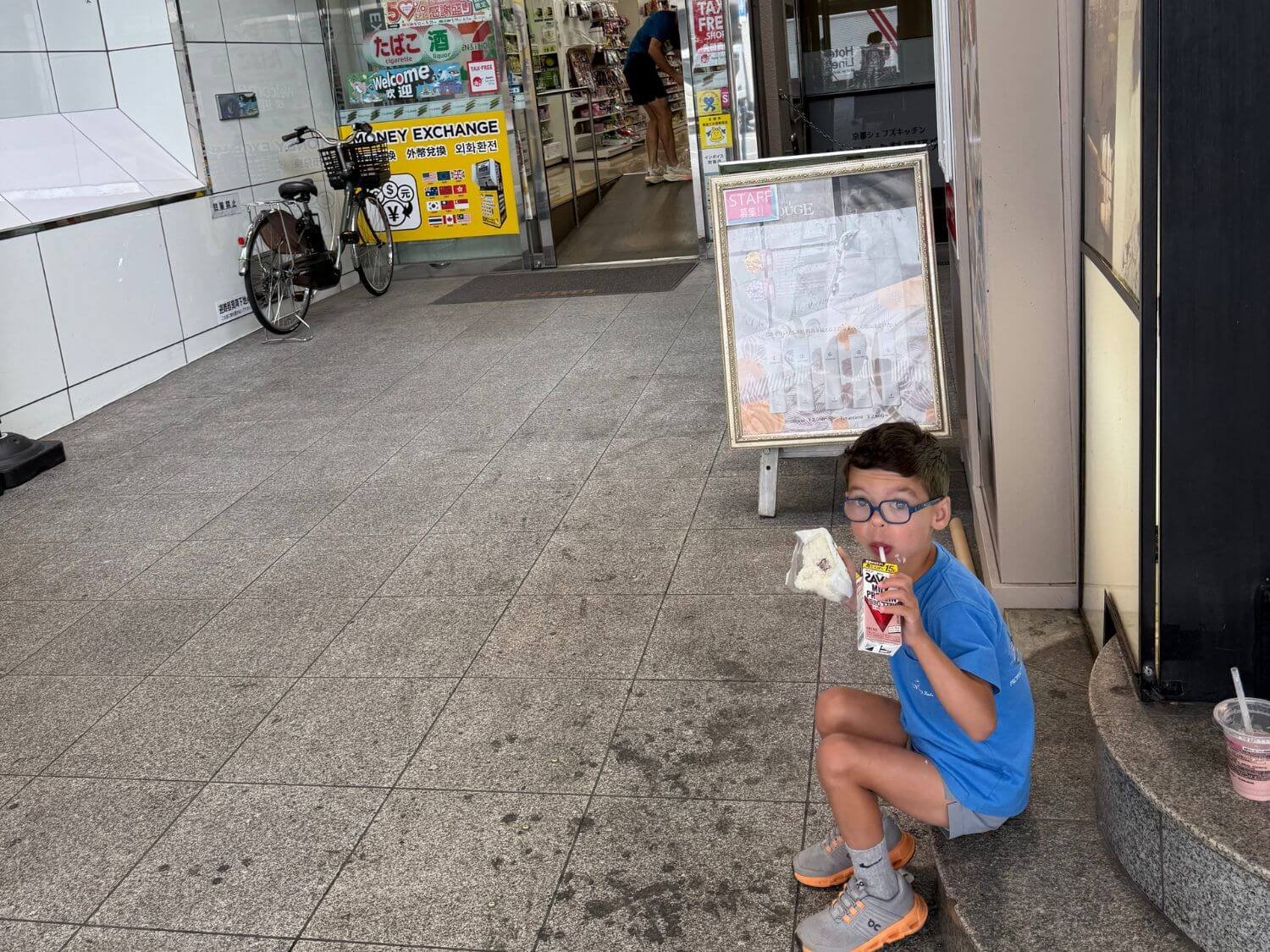
Most of our breakfasts in Japan came from convenience stores. Many cafés open later in the morning, and grabbing a salmon rice ball, a smoothie, and coffee was the quickest way to get everyone fed and out the door. Always check labels, since ingredients change.
Read More: Gluten-Free at Japanese Convenience Stores: Why We Stuck to Just a Few Things
Gluten-Free Kyoto With a Kid Who Isn't
Jackson isn't gluten-free, so we didn't have to plan his meals separately, but he still ate well at our gluten-free stops. Fried chicken sandwiches, ramen, crepes, and a kakigori bigger than his head are easy wins with kids, gluten-free or not.
Read More: Is Kyoto Good for Kids? Our Honest Take
Want the Research Already Done?
Finding these restaurants was the easy part. The hours went into figuring out which one to eat at when, so we were never hungry and far from a safe meal. That's exactly what the Gluten-Free Edition of our 14-day Japan guide does for you: every restaurant matched to the sights around it, with travel times, reservation notes, tips, and backups, for all 14 days.
Join the Crew
Grab a Free Trip-Planning Tool

Build Your GF Dietary Card
A personalized gluten and allergy card to show any server or chef.
Build your card
Plan Your Trip in One Place
Our Trip Planning Command Center keeps your days, bookings, and packing organized.
Get the planner
Not Sure Where To Go?
Answer 10 quick questions to find your travel personality and matching destinations.
Take the quiz