How to Eat Gluten-Free in Japan: What We Learned After 14 Days

This post contains affiliate links, which means we may earn a small commission if you book or buy through them, at no extra cost to you. As an Amazon Associate I earn from qualifying purchases. We only recommend things we've used ourselves or would genuinely use on our own family trips, and all opinions are our own.
A quick but important note: This post reflects our own experience and isn’t medical advice. I eat gluten-free because of an autoimmune condition, and my husband has a gluten intolerance. Neither of us has celiac disease or reacts severely to small amounts of gluten. If you have celiac disease, a serious allergy, or any condition where cross-contamination is a real risk, please don’t rely on this post alone. Talk with restaurant staff about your specific needs every time, and use your own judgment.
One of the biggest questions we had before traveling to Japan was simple:
Could we actually eat gluten-free there?
The answer, for us was yes, but it took planning, and lots of it!
Japan has an incredible food culture, but navigating gluten-free dining can be complicated. Wheat can appear in foods where you might not expect it, soy sauce is commonly used in Japanese cooking, and finding a restaurant with a gluten-free option is not necessarily the same thing as finding a restaurant that understands strict gluten-free requirements.
For our 14-day trip, we researched restaurants before we left and built all of our meals into our daily sightseeing plans. That single decision ended up shaping almost everything else about how the trip actually felt.
Here’s what we’d tell anyone planning a similar trip.
Research Before You Go
This was probably the most important thing we did.
We researched restaurants before leaving and built them into our daily plans. That meant we rarely had to make a last-minute decision about where we could safely eat, standing hungry on a sidewalk trying to figure it out in the moment.
Could you travel gluten-free in Japan without this much preparation? Probably. Would we recommend it? Personally, no. Japan has far more gluten-free options than we expected going in, but finding those options still takes real work. Doing that work before you leave means you spend your trip enjoying the food instead of searching for your next meal.
Don’t Assume a “Gluten-Free” Label Means Everything Is Safe
This is particularly important for anyone with celiac disease or a severe reaction to gluten.
A menu that says “gluten-free options available” and a kitchen that truly understands cross-contact are not always the same thing. Before committing to a restaurant, it’s worth asking about:
Ingredients
Soy sauce (traditional soy sauce contains wheat, and it shows up in far more dishes than most first-time visitors expect)
Shared fryers
Cross-contact
Preparation surfaces
Kitchen practices
Whether the staff understands your dietary requirements
And confirm information directly with the restaurant, since practices and menus can change over time.
A few specific things worth knowing: plain rice is naturally gluten-free, but sushi rice is often seasoned with a vinegar blend that isn’t always safe, so it’s worth asking. The most common mayonnaise brand in Japan isn’t necessarily gluten-free either. We learned quickly not to judge food by appearance, just because something looked safe didn’t mean it was.
This is exactly why we built a free Gluten-Free Dietary Card - a printable card you can customize with your exact severity level and any other allergies, then hand to a server or chef instead of trying to explain everything from scratch every single meal.
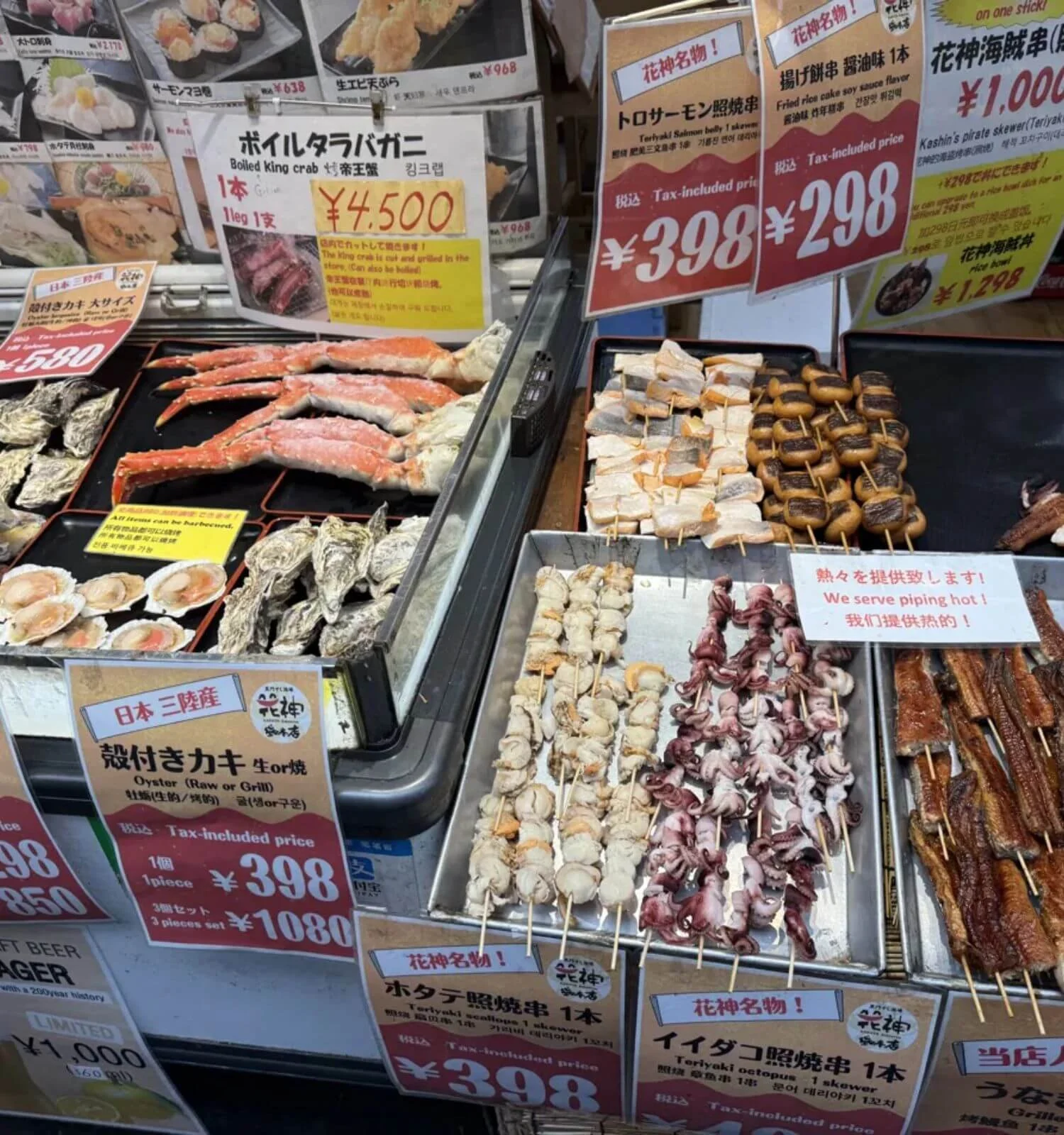
A menu or display like this can look completely safe at a glance — but teriyaki glazes and sauces almost always contain soy sauce, so it's worth asking before assuming.
Plan Food Around Your Sightseeing
We found this to be one of the biggest time-savers of the entire trip.
Rather than choosing all of our sightseeing first and then figuring out food, we considered both at the same time. If we knew we wanted to eat at a particular restaurant, we’d look at what attractions were nearby and build the day around that area, instead of crossing the city twice in one day for a single meal.
This made our itinerary far more efficient, and it’s one of the planning habits we’d repeat on any future trip.
Read More: Our 14-Day Japan Itinerary Tokyo, Hakone, Kyoto, Hiroshima, Miyajima, Nara & Osaka, day by day
Don’t Forget About Breakfast and Snacks
Lunch and dinner are usually the meals travelers think about first, but breakfast can actually be more challenging in Japan, especially if you’re looking for gluten-free options. Many cafés don’t open until mid-morning or later, which doesn’t always work if you’re trying to get an early start sightseeing.
For almost every morning of our trip, we ended up eating breakfast at convenience stores near our hotels, and it worked well.
Read More: Gluten-Free at Japanese Convenience Stores
One thing that we were pleasantly surprised by is that we didn’t need nearly as many snacks as we originally expected. Once our meals were planned around restaurants and cafés that worked for our dietary needs, the food was good enough and the portions substantial enough that we rarely found myself hunting for something to eat between meals.
Our biggest takeaway on this front: plan breakfast ahead of time, but don’t feel like you need to pack your whole day with backup snacks. If your meals are figured out, you likely need far fewer safety-net options than you’d expect.
Want Help Talking to Restaurants?
A local guide can help you communicate with restaurants, but always confirm ingredients yourself. GoWithGuide offers private tours with local guides you can message before booking, so you can explain your dietary needs ahead of time and plan meals around them.
Choose Your Stop
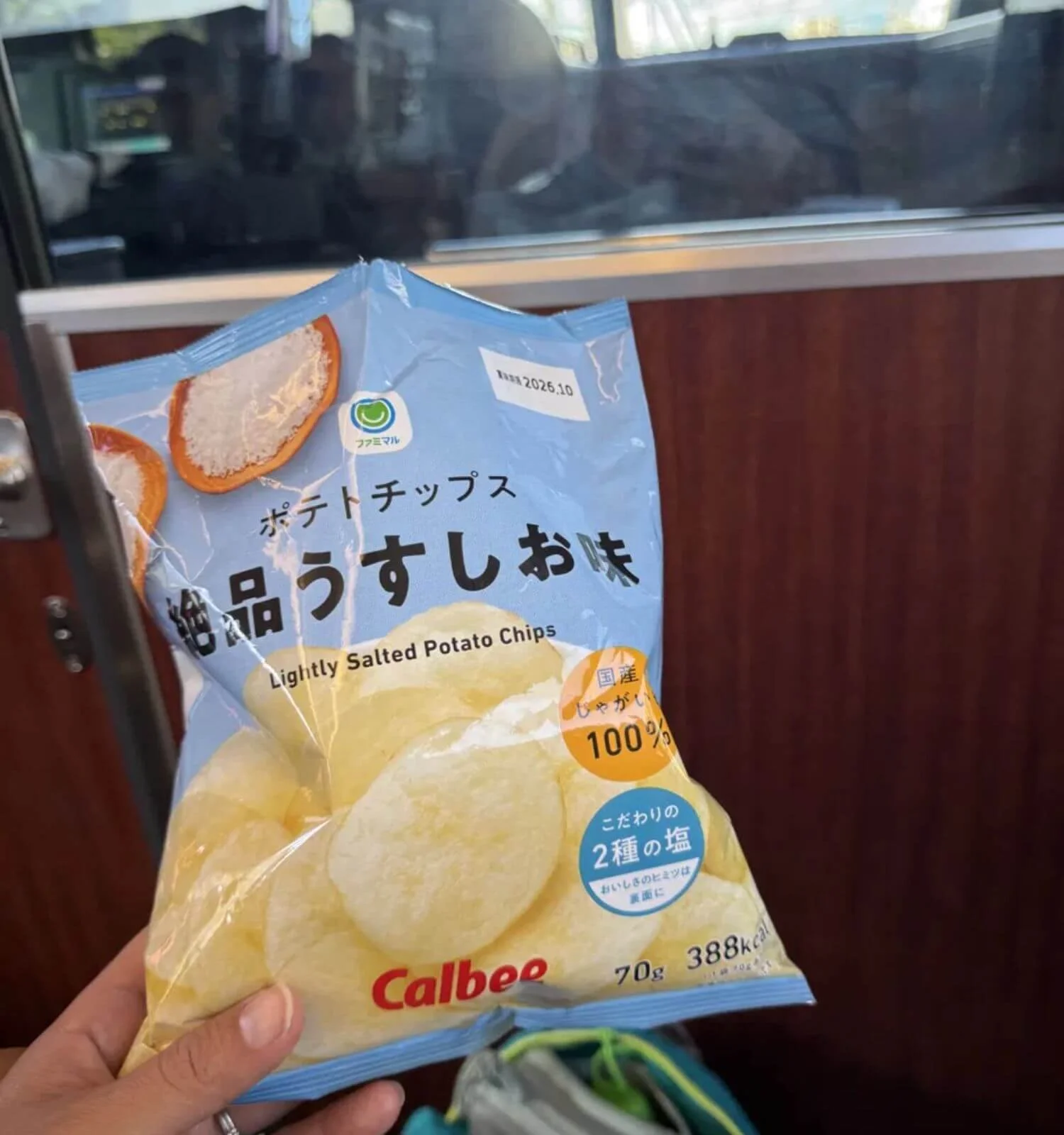
Plain potato chips are an easy convenience store snack. Always worth double-checking the label, since ingredients can vary.
Specialty Food Made the Trip Better
One of our biggest takeaways from the whole trip was that gluten-free travel doesn’t have to mean eating boring food.
With the right research, we were able to enjoy:
Ramen
Tempura
Sushi
Okonomiyaki
Takoyaki
Mochi
Crepes
Soufflé pancakes
Ice cream with cones
Japanese comfort food
Being able to genuinely experience these foods, not just find a safe substitute for them made the trip feel complete in a way we weren’t sure it would going in.
Read More: Gluten-Free Tokyo: What We Actually Ate (Honest Reviews)
Read More: Gluten-Free Kyoto: What We Actually Ate (Honest Reviews)
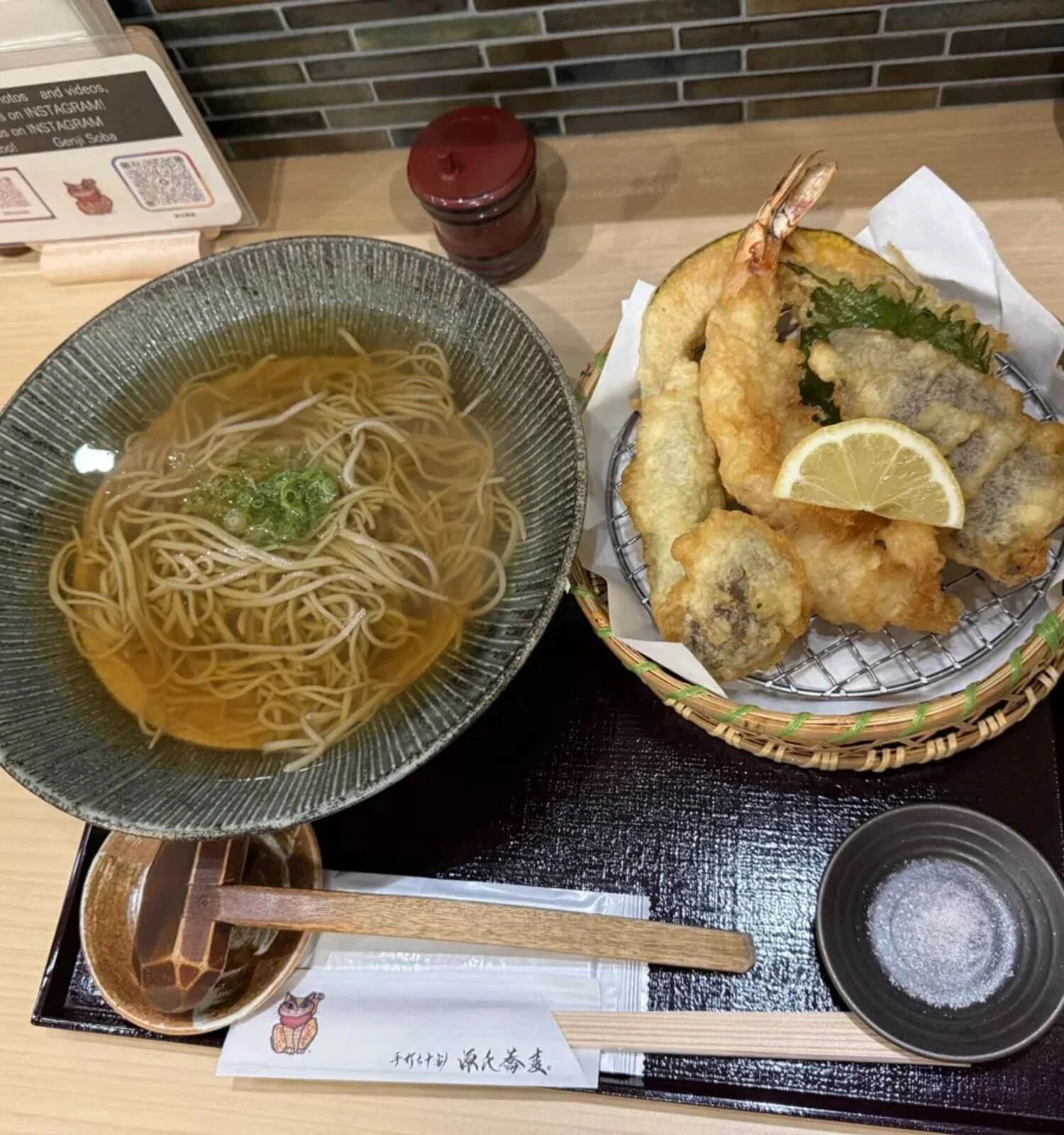
Specialty foods like soba and tempura were never off the table — planning ahead meant we got to enjoy the dishes we actually came to Japan for.
So, Is Japan Easy to Travel Gluten-Free?
It’s possible, but preparation makes a major difference.
We would not recommend arriving in Japan without doing any food research if you need to strictly avoid gluten. We spent considerable time researching restaurants, checking menus, communicating dietary requirements, and figuring out how restaurants fit into our sightseeing plans.
Once that work was done, the trip became so much easier and that’s the part we wanted to make easier for other travelers too.
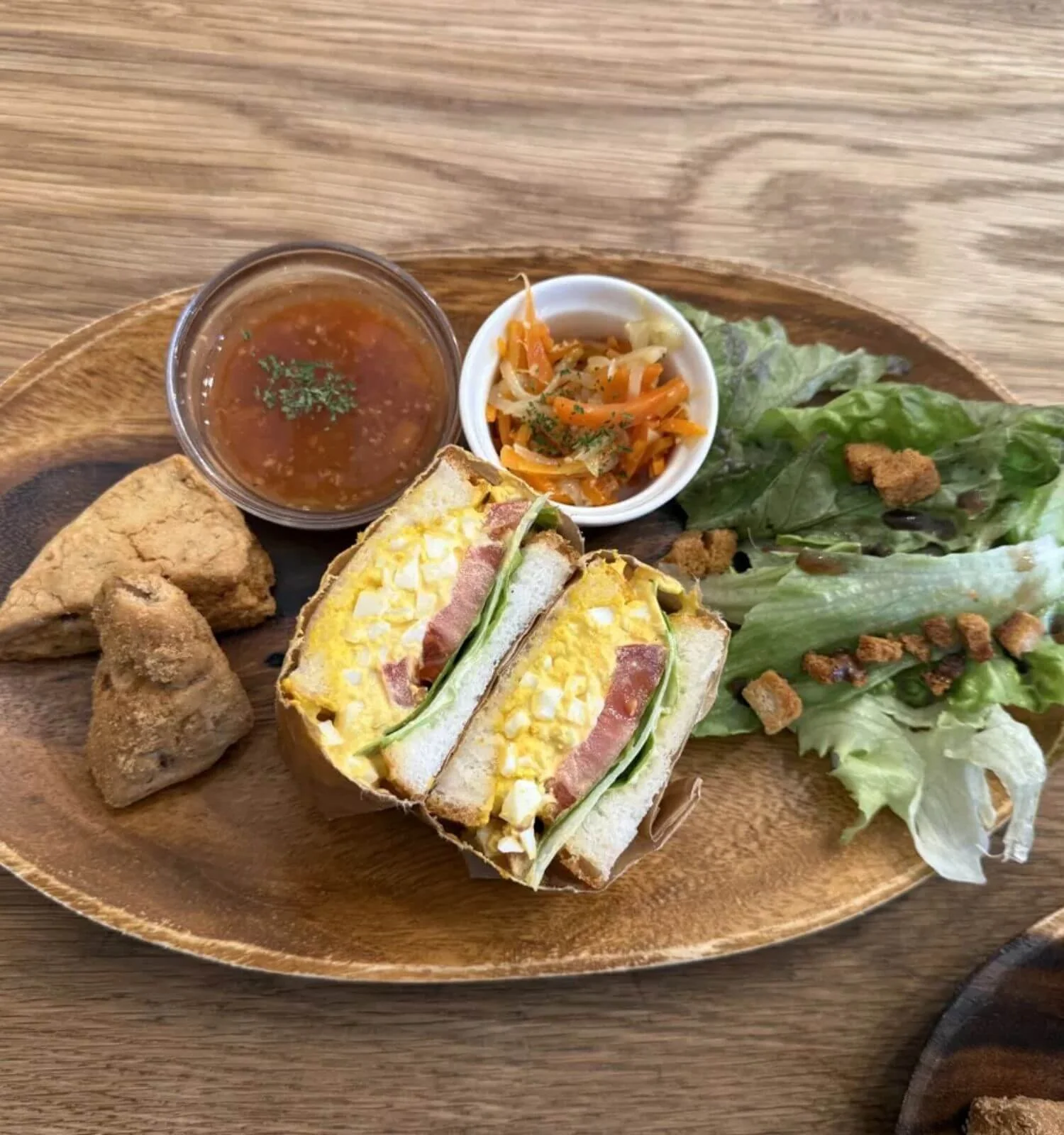
Yes! You can even experience Japan’s famous egg sando as a gluten-free version.
Planning Your Own Japan Trip?
Choosing where to stay, what order to go in, and what to book is a lot. We’ve already done the planning, so you can spend your time enjoying Japan instead of organizing it. Our Ultimate 14-Day Japan Travel Guide is a ready-to-follow itinerary from arrival to departure.
The full 14-day plan with everything above, for families without dietary restrictions.
See the Standard EditionEverything in the Standard Edition, plus:
- Gluten-free restaurants, cafés, and bakeries for every day
- Backup options in every area
“So happy to have that issue handled ahead of time.”
See the Gluten-Free Edition →Grab a Free Trip-Planning Tool

Our Trip Planning Command Center keeps your days, bookings, and packing organized.
Get the planner
A personalized gluten and allergy card to show any server or chef.
Build your card →
Answer 10 quick questions to find your travel personality and matching destinations.
Take the quizFree. Sent straight to your inbox.