What Our 14-Day Japan Trip Actually Cost: A Full Family Breakdown
TL;DR: Our Japan Trip Cost for a Family of 3
👨👩👦 Family: 2 adults + 1 child (age 5)
📅 Trip length: 14 days / 13 nights
🗾 Destinations: Tokyo, Hakone, Kyoto, Hiroshima, Miyajima, Nara & Osaka
💰 Total trip cost: ~$11,085 USD (excluding most shopping and souvenirs)
✈️ Biggest expense: Flights ($4,135.89)
🏨 Hotels: $2,353
🚄 Transportation: $2,208.53 (includes some non-transportation purchases made with our Suica cards)
🍣 Food: $886.65
🎟️ Experiences & attractions: $894.35
💵 Untracked cash spending: $606.77 (we brought about $750 in yen, more than we needed, and spent it all rather than exchange it back at a loss)
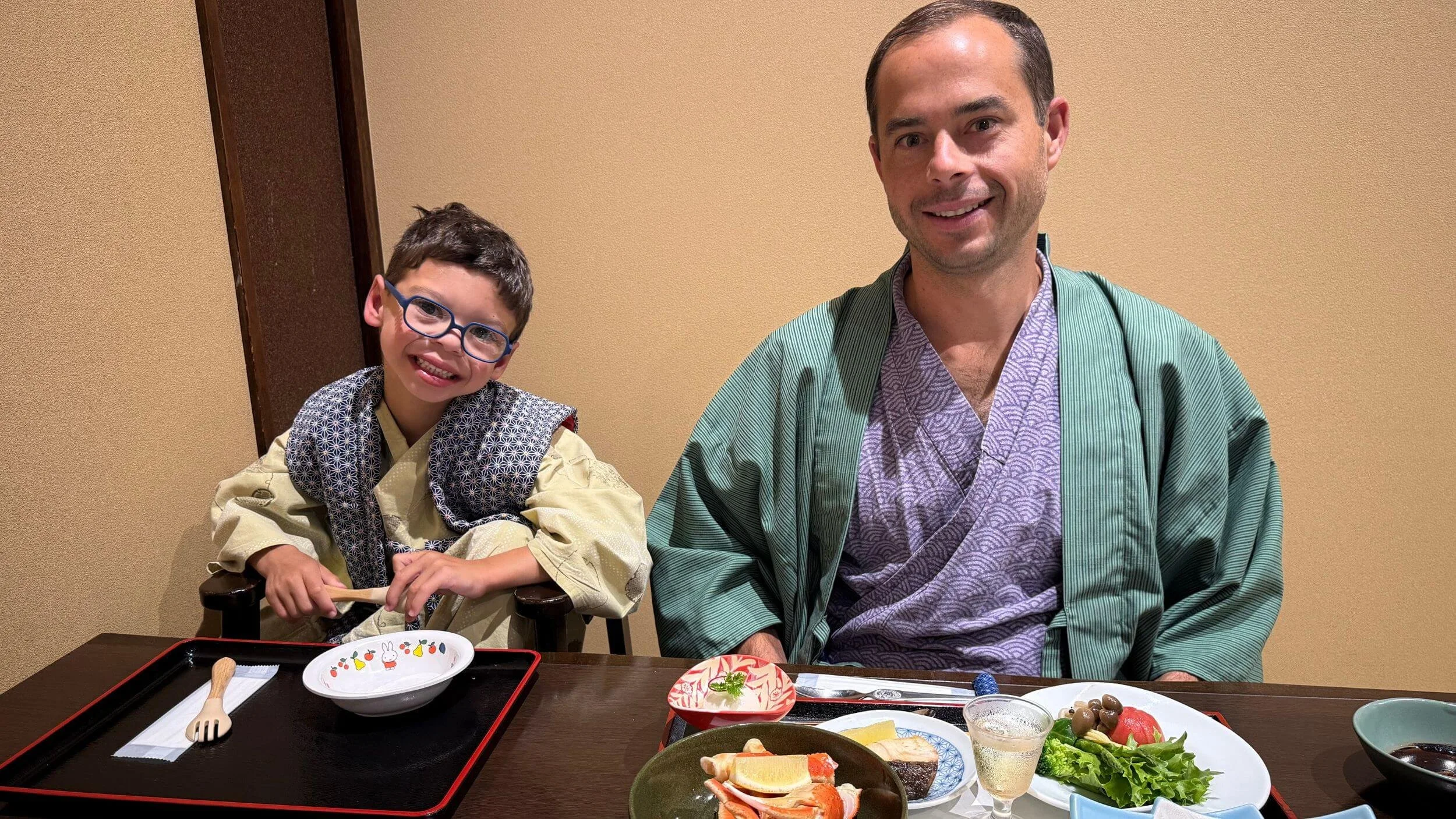
Fourteen days, seven destinations, and one big question before we left: what would this actually cost? Here’s our full Japan trip cost for a family of 3, down to the dollar.
This post contains affiliate links. If you book through them, we may earn a small commission at no extra cost to you. As an Amazon Associate, we earn from qualifying purchases.
Our biggest takeaway: Japan can be as affordable or as expensive as you make it. We chose comfortable hotels, traveled between seven destinations, prioritized memorable experiences, and didn’t hold back on food, creating a trip that felt comfortable rather than budget or luxury.
👉 If you’re planning a similar trip, this article breaks down exactly where every dollar went and shares the strategies that helped us budget realistically.
When we started planning our Japan trip, one of our biggest questions was: How much does Japan actually cost for a family?
We saw everything from “Japan can be done on a budget” to “Japan is extremely expensive,” but it was surprisingly difficult to find examples that reflected a real family trip.
Most travel budgets focused on either extreme budget travel or luxury experiences, but very little reflected what a typical family might spend while traveling comfortably. What we wanted was something in between: a realistic look at what a family might spend while staying in comfortable hotels, eating well, visiting major attractions, and experiencing the things that make Japan such a memorable destination.
So, here is our complete breakdown of what we actually spent during our 14-day Japan trip, including the cities we visited, the choices we made, and the areas where our spending was higher than average.
If you are interested in following the exact route we used, we also created a detailed post titled: Our 14-Day Japan Itinerary: Tokyo, Hakone, Kyoto, Hiroshima, Miyajima, Nara & Osaka that includes our day-by-day schedule, transportation routes, timing recommendations, and the logistics that made this multi-city trip run smoothly.
Japan Trip Cost at a Glance
Family size: 3 travelers - 2 adults and 1 child (5 year old)
Trip length: 14 days / 13 nights
Destinations: Tokyo, Hakone, Kyoto, Hiroshima, Miyajima, Nara, Osaka
We used a combination of credit cards, cash, and Suica throughout the trip, meaning some expenses could not be perfectly separated into individual categories after returning home. The total amount spent is accurate, but some categories overlap slightly. For that reason, consider this a realistic overall trip budget rather than a perfectly itemized accounting breakdown.
Traveled: Late May / Early June 2026. All prices are in USD at the exchange rate at the time of purchase.
| Category | Cost |
|---|---|
| Flights | $4,135.89 |
| Accommodations | $2,353.00 |
| Transportation | $2,208.53 |
| Attractions & Experiences | $894.35 |
| Food | $886.65 |
| Untracked Cash Spending | $606.77 |
| Total Trip Cost | $11,085.19 (approx.)* |
*We intentionally excluded shopping and souvenirs because those expenses vary dramatically from traveler to traveler. Because we didn't track what we spent our cash on, some small souvenirs and gifts are likely included in the untracked cash figure above.
For planning purposes, we would focus on the categories above when estimating the cost of a similar Japan itinerary.
Flights: $4,135.89
Advertised airfare before points and promotions: $4,185.89
Travel promotion: -$50.00
Total ticket cost: $4,135.89
Cash paid after Chase points redemption: $3,693.35
Chase points redeemed: 36,698 points
For budgeting purposes, we included the full airfare cost rather than only our out-of-pocket amount because flight prices are one of the largest factors families need to plan for. Points and travel rewards can reduce this cost, but they vary significantly from traveler to traveler.
Important context: Flights will vary dramatically depending on departure city, travel dates, airline, and whether you use points. For our trip, airfare was one of our largest expenses because we were traveling internationally as a family of three.
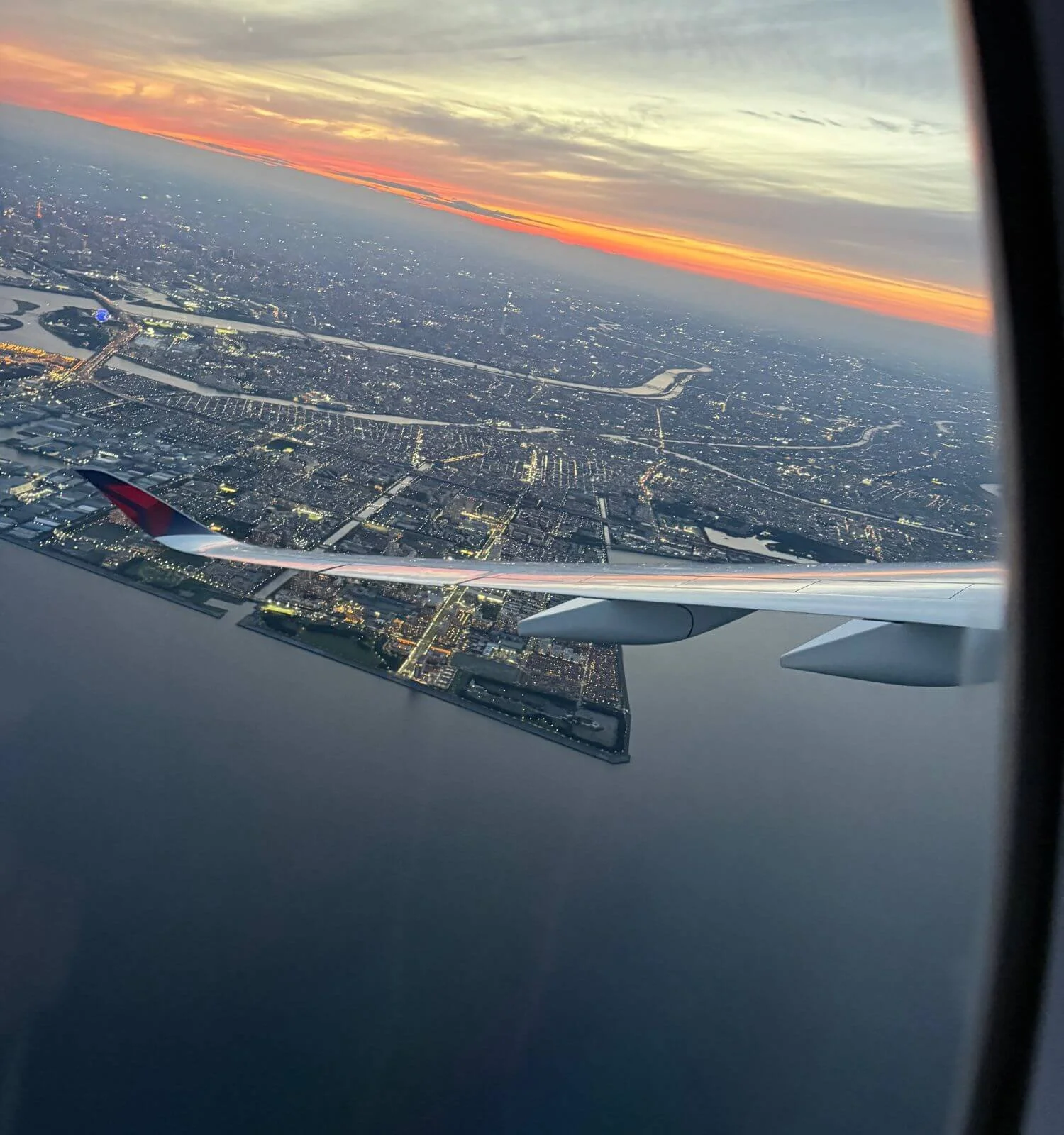
Flights were our single biggest expense.
Accommodations: $2,353 (13 Nights)
| Location | Accommodation | Nights | Total Price |
|---|---|---|---|
| Tokyo | Shibuya Tokyu REI Hotel | 4 | $701 |
| Hakone | Mount View Hakone | 1 | $315 |
| Kyoto | Hotel Grand Bach Kyoto Select | 3 | $390 |
| Miyajima | Hotel Miyajima Villa | 1 | $401 |
| Osaka | HOTEL THE FLAG Shinsaibashi | 3 | $409 |
| Tokyo (Haneda) | Hotel Villa Fontaine Grand | 1 | $137 |
| Total | 6 hotels | 13 | $2,353 |
When choosing accommodations, we prioritized:
- convenience over luxury
- proximity to train stations
- clean and well-reviewed stays
- room configurations that worked for a family of three (larger beds when available or multiple beds)
Because this itinerary includes multiple cities and several hotel changes, location was one of the most important factors in our decision-making. A slightly more expensive hotel near transportation saved time and energy throughout the trip.
Choosing where to stay was one of the biggest decisions we made while planning this trip. If you’re deciding between neighborhoods or hotels, we put together a detailed review of every property we stayed in, including why we chose each one, what we loved, and what we’d do differently next time.
Read More: Where We Stayed in Japan: Honest Reviews of Our 6 Hotels (13 Nights as a Family)
Read More: Where to Stay in Tokyo with Kids: Our Hotel + 5 More Family-Friendly Picks
Read More: Where to Stay in Hakone With Kids: Our Honest Take
Read More: Where to Stay in Kyoto With Kids: Our Honest Take
Read More: Where to Stay in Osaka With Kids: Our Honest Take
Read More: Where to Stay in Miyajima With Kids: Our Honest Take
Cash in Japan: What We Actually Used
We brought approximately $750 USD worth of Japanese yen with us before the trip because we wanted to arrive prepared. While Japan has become much more card-friendly in recent years, cash is still commonly used, especially at smaller restaurants, markets, temples, shrines, local vendors, and some attractions.
Our cash was used throughout the trip for a variety of everyday expenses, including:
- food
- attractions
- souvenirs
- small cash-only purchases
Why Our Cash Numbers Don't Perfectly Add Up
A quick note before this breakdown: we didn't set out to document every dollar of this trip. The idea for sharing our planning only came together after we got home, once we realized how much work we'd put into researching Japan and how much easier it could make things for another family doing the same. That's also why our cash spending isn't as precise as the rest of this breakdown - we weren't saving receipts for a future blog post, we were just living the trip.
We can only account for $143.23 of our cash spending specifically, the purchases below where we could confidently match a receipt to a location after the fact. The rest of what we spent in cash, about $606.77, went to smaller things we never individually tracked: food, small attractions, souvenirs, and spontaneous purchases at markets, food stalls, and vendors that don't always take cards.
| Purchase | Cost |
|---|---|
| Trout fishing (Hakone) | ~$60 |
| In-room massages (Hakone) | ~$56.96 |
| Monkey Park entry + food | ~$11.77 |
| Nara deer crackers | ~$2 |
| Todai-ji Temple | ~$12.50 |
| Tracked Cash Total | $143.23 |
*The tracked items in this table are already counted in the Attractions & Experiences total (Kyoto, Nara, and Hakone), so they aren't added a second time in our overall total. Only the untracked cash of $606.77 is added separately.
Here's the honest reason our numbers work out this way: we brought way more cash than we needed, and then we made a point of spending all of it before we left.
We'd ordered about $750 in yen before the trip, wanting to be over-prepared. Once we realized we had far more than we actually needed, converting the leftover back to USD stopped making sense. You lose money to exchange rates and fees on top of whatever you started with, so unspent yen is basically money you're choosing to throw away. So instead of carrying it home, we just... spent it. On things we could have used a credit card for, in amounts too small and scattered to itemize afterward.
That's the real lesson here, and it's the one we wish someone had told us clearly before we left: you don't need to bring hundreds of dollars in cash to Japan. ATMs are everywhere, especially at convenience stores, and you can withdraw more as you go. We searched for a straightforward answer to "how much cash should we actually bring" before our trip and never found one we trusted. So here it is: bring enough for a few days of small purchases, and top up from an ATM if you need more. You don't need to solve this problem before you land.
Important Takeaway
When budgeting for Japan, don’t plan your trip assuming you can use only credit cards. While Japan has become increasingly card-friendly, cash is still commonly used at smaller restaurants, market stalls, temples, shrines, vending machines, and locally owned businesses.
Having yen available makes travel smoother because you can say yes to smaller experiences without worrying about whether a location accepts cards. Some of our favorite moments, including food stalls, small vendors, and casual purchases, were situations where having cash was helpful.
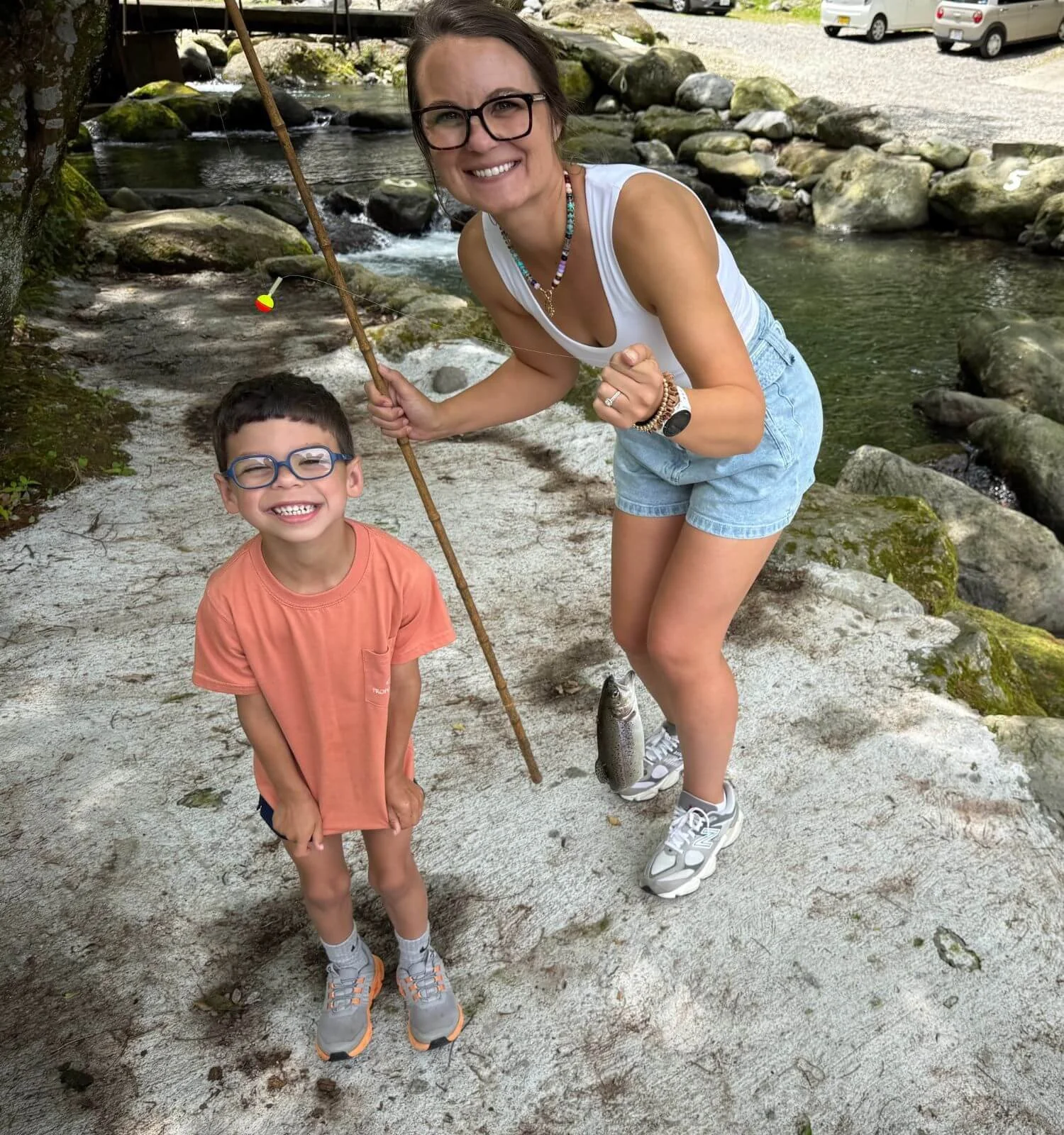
Trout fishing in Hakone was one of our cash-only experiences. About $60 for an afternoon we still talk about.
Transportation & Travel Logistics in Japan: $2,208.53
Japan transportation is one of the things that initially feels intimidating when planning a first trip. Between multiple train companies, subway lines, buses, bullet trains, regional passes, and different payment systems, it can seem overwhelming.
Japan’s transportation system looks intimidating at first, but it became much easier once we understood how everything worked together. We put together a complete transportation post covering IC cards, Shinkansen tickets, navigation apps, luggage forwarding, and the exact tools we used throughout this trip.
Read More: How to Get Around Japan: A First-Time Visitor’s Guide to Trains, Suica Cards, Google Maps & More
Read More: Luggage Forwarding in Japan With Kids: How We Sent Our Bags Between Cities
The good news is that Japan’s transportation network is incredibly efficient. After the first few days, navigating became one of the easiest parts of our trip.
IC Card (Suica) Spending
Total loaded spending: $1,287.31
This number includes both transportation and other purchases because Suica functions as a stored-value payment card throughout Japan.
Our Suica spending included:
- trains and subway rides
- buses
- convenience store purchases (7-Eleven, Lawson, FamilyMart)
- vending machines
- small miscellaneous purchases
One important note: because Suica can be used like a digital wallet, this total includes purchases that were not transportation-related. We frequently used our Suica cards at convenience stores because it was quick and convenient, especially when grabbing breakfast, snacks, drinks, or something for a train ride.
Because of this, the total above is higher than our actual transportation costs alone.
For future travelers, we would recommend thinking of Suica as a “daily spending card” rather than just a train card. It makes small purchases incredibly easy and reduces the need to carry exact change.
Bullet Trains (Shinkansen)
Total: $649.68
We used Japan's famous bullet trains to travel between major cities:
Hakone → Kyoto
Kyoto → Hiroshima
Hiroshima → Osaka
Osaka → Tokyo (for our last night near Haneda Airport)
The Shinkansen is one of the highlights of traveling in Japan. The trains are fast, comfortable, clean, and extremely punctual.
For families, they are also a much easier experience than many people expect. Stations can be busy, but the process is very organized, and trains generally provide plenty of space for a comfortable ride between destinations.
Read More: Riding the Shinkansen (Japan’s Bullet Train)
Book it: Shinkansen (Bullet Train) Tickets
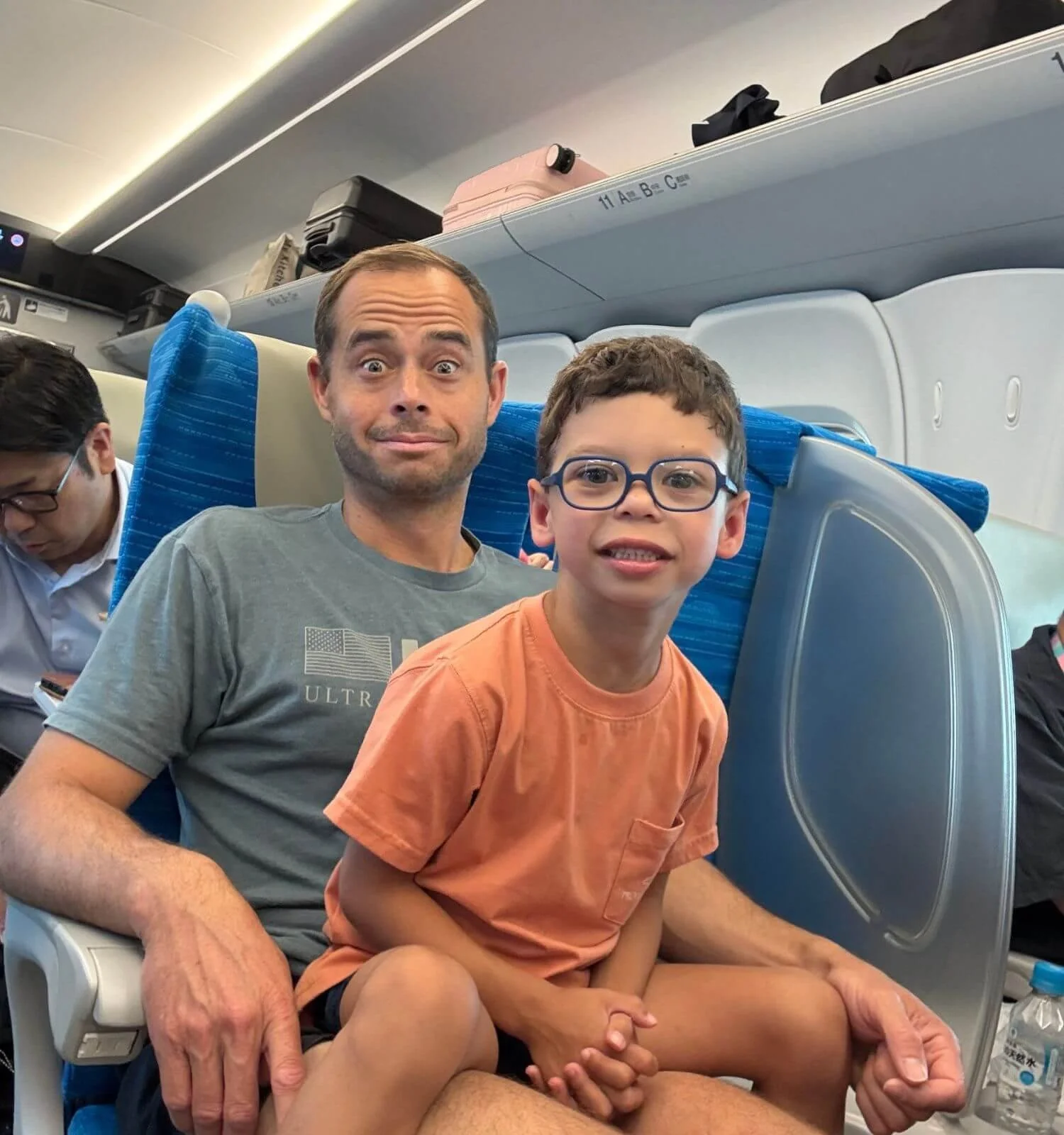
Kids under 6 don't need their own Shinkansen ticket if they're sitting on your lap. Jackson rode this way the entire trip, which kept our transportation costs lower than you might expect.
Taxis (GO Taxi App)
Total: $132.98
We did not use taxis for everyday transportation, but they were extremely helpful strategically.
We used taxis for:
- rainy weather
- long walking days when everyone was tired
- situations where saving time was more valuable than saving money
Japan’s public transportation system is excellent, but traveling with children changes the equation. A 15-minute taxi ride after a 20,000-step day can be worth every dollar.
The GO Taxi app made this simple because we could request rides, pay electronically, and avoid trying to explain locations at the end of an exhausting day.
Regional Passes & Additional Transportation
Hakone Free Pass: $89.50
Romancecar: $18.10
Miyajima Express Ferry: $30.96
Regional transportation varies depending on your itinerary. For our trip, the Hakone Free Pass simplified transportation around the Hakone Loop, while the Romancecar provided a faster and more comfortable connection from Tokyo.
Luggage Forwarding
Approximately $20–$25 per shipment for two carry-on sized bags. We used luggage forwarding three times, bringing the estimated total cost to approximately $60–$75 for the trip.
Our luggage setup included:
- one carry-on roller suitcase
- one Cotopaxi Allpa 35L backpack
- one additional travel backpack
- one small overnight bag for Hakone and Miyajima
Luggage forwarding was one of the best decisions we made.
Japan’s train stations are incredibly efficient, but they are not always luggage-friendly. Large rolling suitcases can become challenging when navigating:
- crowded train platforms
- stairs and escalators
- transfers between train lines
- busy station entrances and exits
Sending our larger bags ahead allowed us to move through cities much more easily and made travel days significantly less stressful.
For this itinerary especially, where we changed hotels frequently between Tokyo, Hakone, Kyoto, Miyajima, Hiroshima, and Osaka, luggage forwarding was worth the additional cost.
Total Transportation Costs
Because our Suica spending included both transportation and convenience store purchases, the exact transportation total is difficult to separate after the fact.
Our tracked transportation-related expenses included:
| Transportation Type | Cost |
|---|---|
| Shinkansen | $649.68 |
| Taxis | $132.98 |
| Hakone Free Pass | $89.50 |
| Romancecar | $18.10 |
| Miyajima Ferry | $30.96 |
| Suica Spending* | $1,287.31(transportation + small purchases) |
| Total Transportation | $2,208.53 |
*The Suica total includes some non-transportation purchases such as convenience store food, drinks, vending machines, and small purchases. Because those transactions cannot be separated after the trip, our true transportation spending was slightly lower than this category total.
Luggage forwarding (about $60–$75 for the trip) isn't itemized in the table above because we didn't track it as its own category. If you plan to use it, add roughly that amount to your transportation budget.
Transportation is one area where your itinerary choices make a major difference. A trip focused only on one or two cities will be significantly cheaper, while a multi-city itinerary like ours requires additional trains, transfers, and regional transportation.
Experiences, Attractions & Activities: $894.35
One of the things we prioritized during our Japan trip was experiences.
While Japan offers countless incredible free activities, exploring neighborhoods, visiting temples and shrines, walking through markets, and simply taking in the atmosphere of each city, we also chose to spend money on experiences that would make the trip more memorable for our family.
Our paid experiences included a mix of cultural activities, unique attractions, family-friendly experiences, and special activities we chose to include because they made the trip memorable.
A note on how these numbers add up: the city-by-city figures below add up to $894.35, which is our full Attractions & Experiences total. Hakone's $151.40 includes trout fishing and in-room massages that we paid for in cash, plus a private onsen. Because we spent all of our cash, those cash purchases are counted here rather than in the untracked cash line, so nothing is counted twice.
Tokyo - $626.76
Our Tokyo spending included some of the biggest-ticket experiences of the trip, including:
- sushi-making class
- other family-friendly activities
Tokyo had the highest attraction cost because it is where we chose to include several of our most memorable planned experiences.
Tokyo offers endless free or low-cost options, but we intentionally included activities that felt unique to Japan and would be difficult to recreate elsewhere.
Read More: What We Spent in Tokyo: A Real Cost Breakdown
Read More: What to Do in Tokyo, Japan With Kids
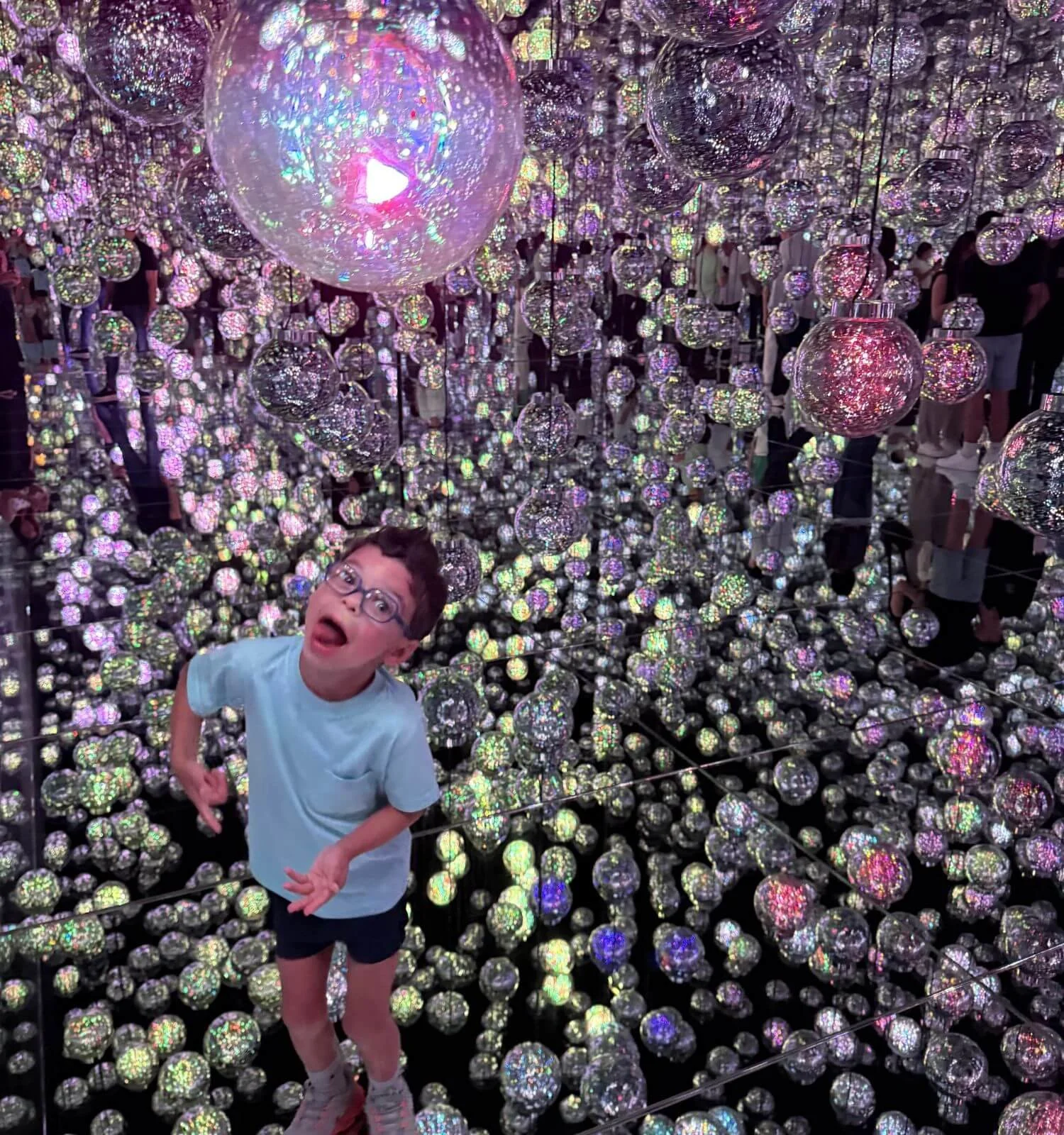
Tokyo had our highest attraction costs of the trip — and teamLab Borderless was one of the experiences that made it worth it.
Hakone - $151.40 (see note above)
Our Hakone expenses included:
- private onsen experience
- in-room massages
- trout fishing experience
Hakone was one of our favorite stops because it provided a completely different pace from the major cities. While the ryokan experience itself was one of our larger expenses, the additional activities we added helped make the overnight stay feel special.
Read More: What We Spent in Hakone: A Real Cost Breakdown
Read More: Is Hakone, Japan Good for Kids? Our Honest Take
Kyoto - $11.77
Kyoto was surprisingly affordable from an attraction standpoint.
Most of our Kyoto experiences were free, including:
- walking through historic neighborhoods
- visiting markets
- exploring temples and shrines
- enjoying traditional streets and scenery
Our only tracked paid attractions were small admission fees.
This is one of the reasons Kyoto is such a great destination for families. You can experience some of Japan’s most beautiful locations without paying for a long list of attractions.
Read More: What We Spent in Kyoto: A Real Cost Breakdown
Read More: Is Kyoto Good for Kids? Our Honest Take
Hiroshima & Miyajima - $25.14
Our Hiroshima and Miyajima expenses included:
- Miyajima ropeway
Much of the Hiroshima Peace Memorial area and Miyajima experience can be enjoyed without significant admission costs. The biggest expenses in this area tend to come from optional additions such as museums, observation decks, or transportation choices.
Read More: What We Spent in Hiroshima & Miyajima: A Real Cost Breakdown
Read More: Is Hiroshima & Miyajima Good for Kids? Our Honest Take
Osaka - $47.71
Our Osaka experiences included:
- Ferris wheel
- zoo
Osaka was another city where many of our favorite memories came from simply exploring neighborhoods, eating, and experiencing the atmosphere rather than purchasing admission tickets.
Read More: What We Spent in Osaka: A Real Cost Breakdown
Read More: Is Osaka Good for Kids? Our Honest Take
Nara - $31.57
Our Nara expenses included:
- deer crackers
- temple entry
- bike rental
Nara is another destination where many of the highlights are inexpensive. Feeding the deer, walking through Nara Park, and exploring the historic areas can be done without a large attraction budget.
Read More: Nara Day Trip Cost: A Real Family Breakdown
Read More: Is Nara Good for Kids? Our Honest Take
Food: $886.65
Identified Food Spending by City
One of our biggest priorities during this trip was experiencing Japanese food.
When researching Japan budgets before our trip, we found that food costs varied dramatically depending on travel style. Some travelers shared extremely low daily food budgets, while others spent significantly more on restaurants and specialty experiences.
Our spending reflects our personal travel style. We did not approach food as an area where we wanted to minimize costs. Instead, we viewed food as one of the most important parts of experiencing Japan.
Our tracked food spending included:
| Location | Cost |
|---|---|
| Tokyo | $250.94 |
| Kyoto | $234.04 |
| Hiroshima / Miyajima | $80.37 |
| Osaka | $251.09 |
| Nara | $70.21 |
| Hakone | $0* |
| Total | $886.65 |
Total Identified Food Spending: $886.65
*Our Hakone food costs are not separately listed because our ryokan meals were included with our accommodation costs rather than tracked as individual food purchases.
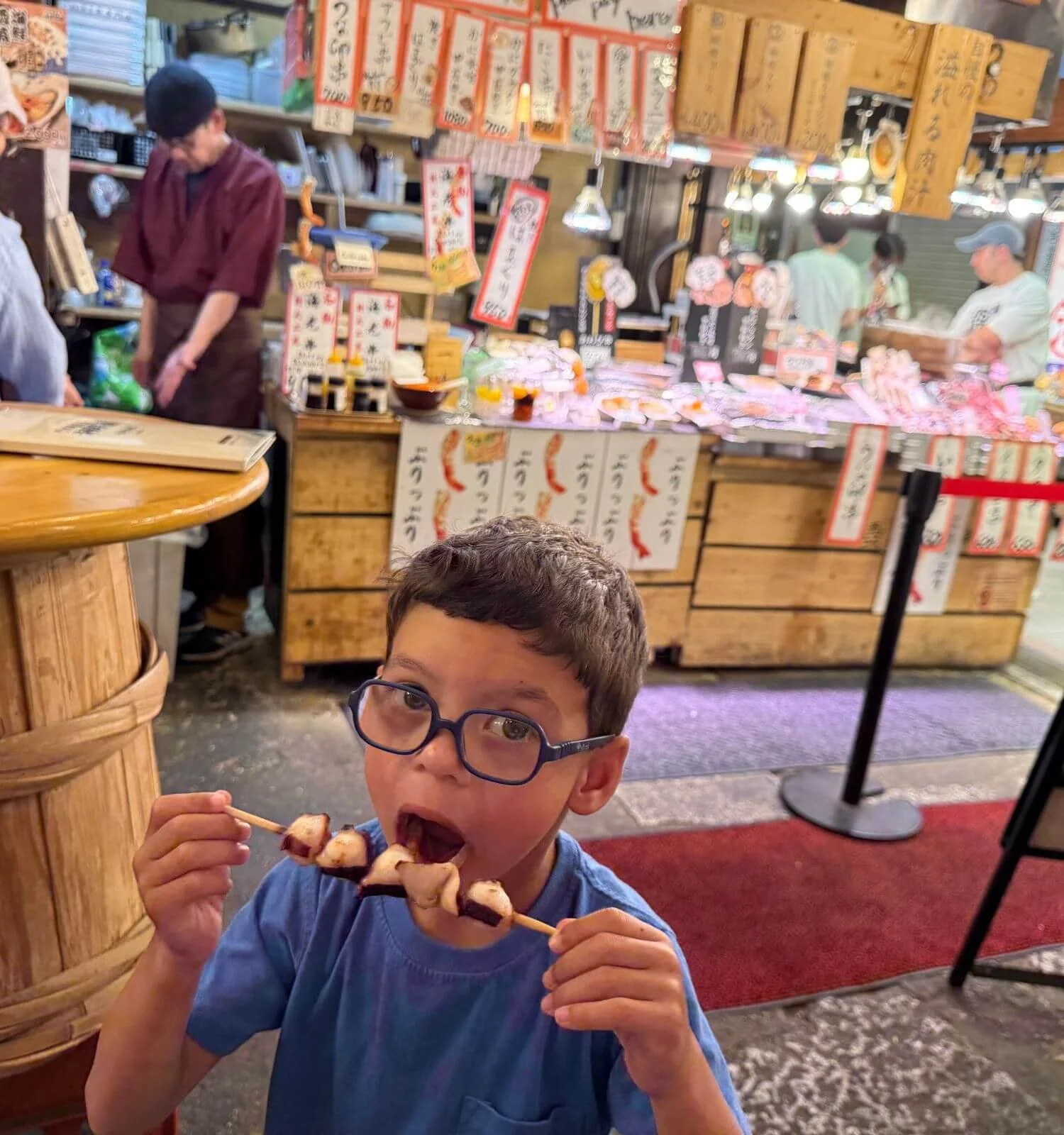
Food ended up being one of our biggest categories and one of the parts of the trip we'd never want to cut.
How We Approached Food in Japan
We did not limit ourselves on food during this trip.
Food was one of the experiences we were most excited about, and we intentionally allowed ourselves the flexibility to try things when they looked interesting.
If we saw something that looked good, we tried it.
If we found a gluten-free bakery, restaurant, dessert shop, or specialty product, we usually stopped to experience it.
There were multiple times when we purchased additional snacks, desserts, market foods, or specialty items simply because they were unique to Japan and not something we could easily find at home.
We also occasionally found ourselves eating more than one dinner in an evening, not because we were hungry, but because we discovered another restaurant or dish we wanted to experience.
For us, food was part of the adventure.
Traveling Gluten-Free in Japan
Because two of us eat gluten-free, food planning required additional research. Gluten-free options are available in Japan, especially in larger cities, but they are not as widely available as standard options. When we found gluten-free bakeries, restaurants, or specialty products, we often prioritized those experiences because they were not something we could easily find at home.
It is also worth noting that gluten-free foods and specialty products typically cost more than standard options. Gluten-free bakeries, packaged foods, desserts, and specialty items often require different ingredients or production methods, which can increase the price. As a result, our food spending is likely higher than what many travelers would spend due to a combination of our travel style, frequent dining out, trying specialty foods, and the additional cost of gluten-free options.
For travelers with dietary restrictions, we would recommend doing some research before your trip and saving restaurants, bakeries, and grocery stores that fit your needs. Read our blog posts on this here:
Read More: How to Eat Gluten-Free in Japan: What We Learned After 14 Days
Read More: Is Japan Gluten-Free Friendly? Our Honest Experience Traveling With Dietary Restrictions
Important Note About Convenience Stores and Snacks
Japan’s convenience stores are one of the highlights of traveling there.
7-Eleven, Lawson, and FamilyMart are excellent places for:
- breakfast items
- drinks
- snacks
- quick meals
- train day supplies
Many of these smaller purchases were made using Suica rather than being tracked separately as food expenses. Because Suica can be used for more than transportation (including convenience stores, vending machines, and some restaurants), some food spending is included in our overall Suica total rather than our identified food total above. As a result, our actual food spending was likely slightly higher than the amount listed, with some of those purchases appearing within our transportation category.
Important Takeaway
Someone could absolutely spend less on food than we did and still eat extremely well throughout Japan.
Japan is a destination where you can eat delicious meals at many different price points. A traveler can enjoy incredible ramen, convenience store meals, market foods, and casual restaurants while spending much less.
Our food spending reflects:
- prioritizing food experiences
- gluten free dietary needs
- trying specialty items
- traveling as a family
- saying yes to memorable food experiences
It does not represent the minimum amount required to enjoy Japan.
Final Thoughts on Food Costs
Food ended up being one of the areas where we felt Japan offered incredible value.
Even when we spent more than a budget traveler might spend, we consistently felt that we were receiving excellent quality, unique experiences, and memorable meals.
For our family, food was not just a necessity during the trip, it was one of the reasons we wanted to visit Japan.
Optional Spending: Shopping & Souvenirs
We did purchase souvenirs, gifts, shoes, and specialty items throughout our trip, but we haven’t included those expenses in the trip total because they are personal choices rather than required travel costs.
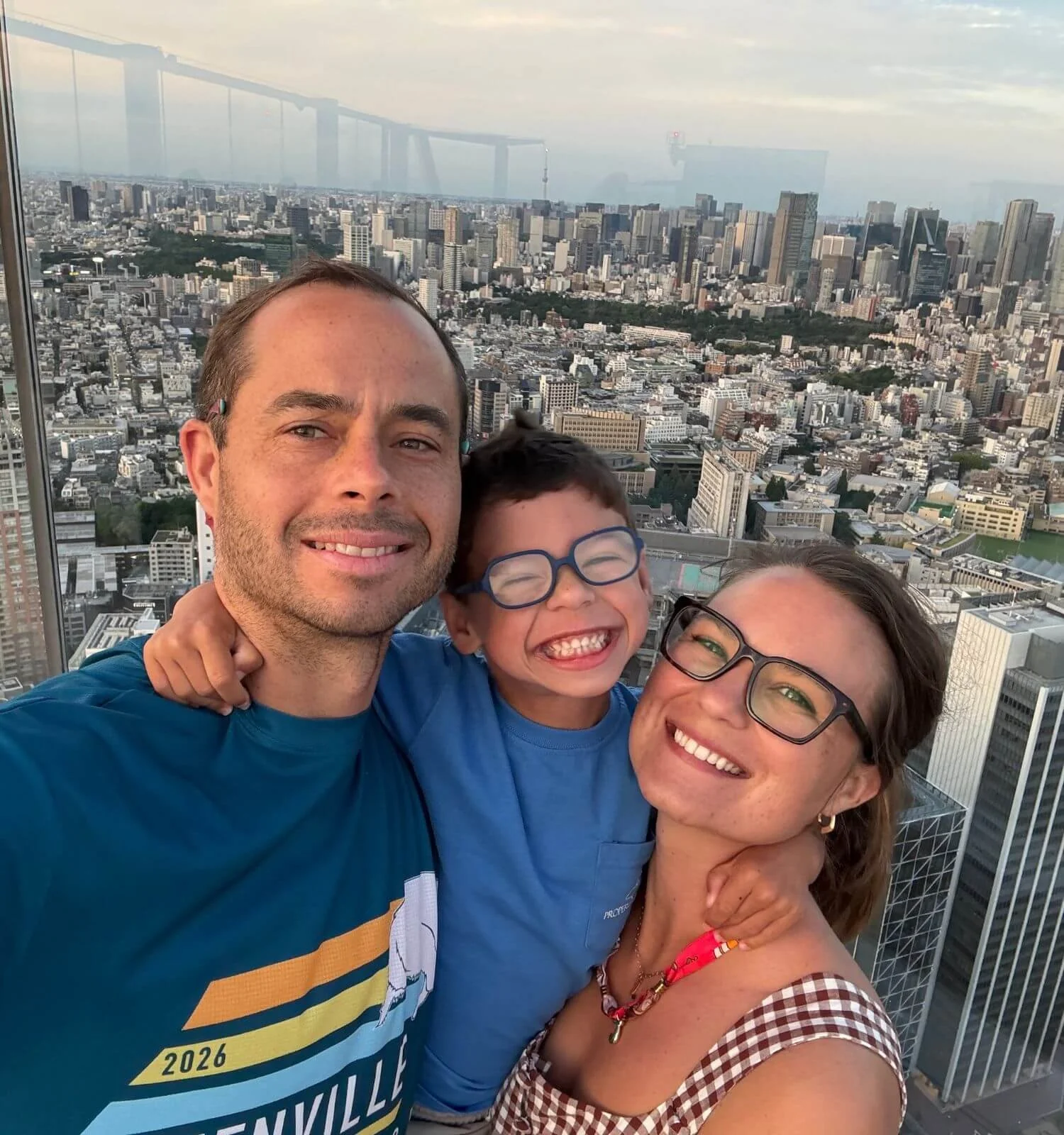
Would we do it again? Absolutely — and here's exactly what it cost to find out.
Final Take Away
Overall, our 14-day Japan trip cost approximately $11,085.19 for our family of three. This included international flights, 13 nights of accommodations, transportation between seven destinations, memorable experiences, dining throughout Japan, and the convenience choices that made traveling as a family easier. While this is not a budget version of Japan, it also was not a luxury trip. We prioritized comfortable hotels, efficient transportation, unique experiences, great food, and reducing the stress that can come with navigating a multi-city itinerary. The biggest takeaway is that Japan is an incredibly flexible destination. Families can spend significantly less by choosing fewer destinations, lower-cost accommodations, fewer paid attractions, and simpler meals, while others may spend more by upgrading hotels, adding experiences, or shopping more. For us, the goal was not to minimize every expense, it was to create a meaningful family trip while experiencing as much of Japan as possible.
Free for the Crew
Plan Your Own Japan Trip
Our free Trip Planning Command Center keeps your days, bookings, and packing in one place, so planning two weeks in Japan feels a lot less overwhelming.
Get the Free Trip Planner →Free. Sent Straight to Your Inbox.